
Stop Training Without a Plan: What to Do Instead
Random Workouts Lead to Random Results
Walking into the gym without a plan may feel better than doing nothing, but over time it can slow down your progress. If you are choosing exercises based on what machine is open, copying someone else’s workout, or doing the same few movements every time, you may not be training as effectively as you could.
At Movement Fitness, we believe every workout should have purpose. Whether your goal is fat loss, strength, athletic performance, mobility, or overall health, having a plan helps you train smarter and stay consistent.
Why Training Without a Plan Does Not Work
A random workout may make you sweat, but sweat does not always equal progress. Without a clear structure, it becomes harder to know if you are improving.
You may not know if you are lifting more weight, building endurance, training the right muscle groups, or giving your body enough recovery. That lack of direction can lead to frustration, plateaus, and wasted time.
Progress Needs Structure
A good workout plan gives you direction. It tells you what to train, how often to train, when to rest, and how to measure improvement. That structure helps turn effort into results.
You do not need a complicated program. You just need a clear one.
Start With Your Goal
Before building a workout plan, ask yourself what you want to accomplish. Your goal should guide your training.
Are you trying to lose fat? Build muscle? Improve strength? Move better? Train for a sport? Increase energy? Get back into a routine?
Different Goals Need Different Plans
If your goal is fat loss, your plan may include strength training, cardio, and nutrition consistency.
If your goal is muscle growth, your plan should prioritize resistance training and progressive overload.
If your goal is athletic performance, your plan may include strength, turf conditioning, speed, agility, and mobility.
If your goal is general health, your plan should include a balanced mix of strength, cardio, and recovery.
Build a Weekly Routine
One of the best ways to stop training randomly is to create a weekly schedule. This helps you know what you are doing before you walk into the gym.
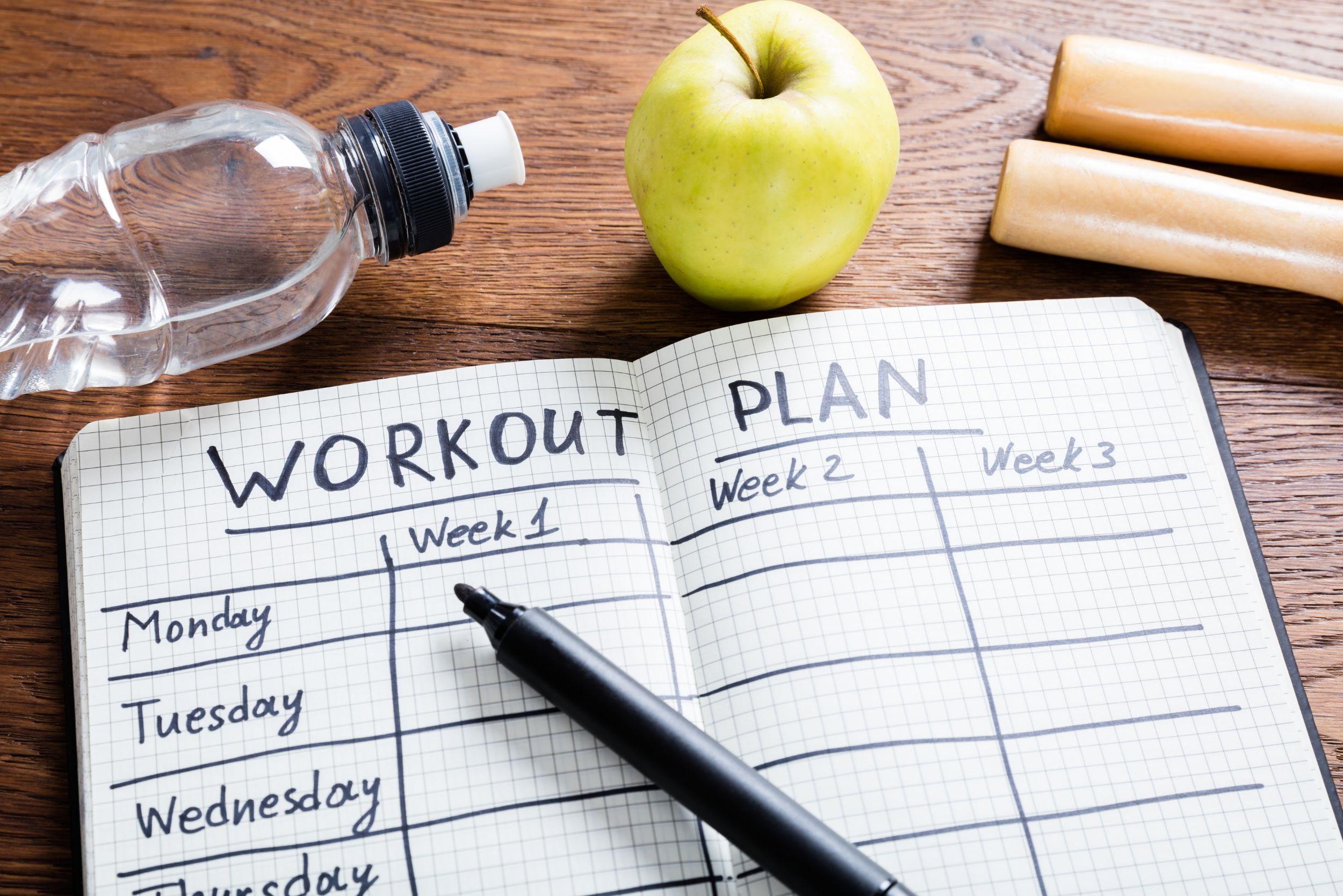
Simple Weekly Workout Plan
Try this balanced routine:
Monday: Full-body strength
Tuesday: Cardio and mobility
Wednesday: Rest or light activity
Thursday: Lower-body strength
Friday: Upper-body strength
Saturday: Turf conditioning or cardio
Sunday: Rest
This type of plan gives your body structure while still allowing room for recovery.
Choose Exercises With Purpose
Every exercise in your workout should have a reason. Instead of doing random movements, choose exercises that support your goal.
Strength Training Basics
A strong plan should include movements like:
Squats
Deadlifts
Rows
Presses
Lunges
Core work
Carries
These exercises train major muscle groups and help build a strong foundation.
Use Cardio the Right Way
Cardio is helpful, but it should match your goal. If you are doing cardio just because you feel like you have to, you may not be using it effectively.
Cardio Options That Work
You can use steady cardio for endurance, intervals for conditioning, or turf work for athletic-style training.
At Movement Fitness in Las Vegas, the 50-yard indoor turf gives members room for sled pushes, shuttle runs, walking lunges, bear crawls, agility drills, and conditioning circuits.
That variety helps make cardio more effective and more engaging.
Track Your Progress
If you are not tracking your workouts, you may be guessing. Tracking helps you see what is working and where you need to adjust.
What to Track
Write down:
Exercises
Weights
Reps
Sets
Cardio time
Rest periods
How you felt
Progress is not always dramatic. Sometimes it is one more rep, better form, more energy, or improved consistency.
Do Not Skip Recovery
A plan should include rest. Training hard is important, but recovery is what allows your body to rebuild and improve.
Recovery Helps Results
Make sure your routine includes sleep, hydration, stretching, mobility, rest days, and proper nutrition. If you never recover, your progress can slow down even if you are working hard.
Consider Working With a Coach
If you are not sure where to start, working with a coach can help. A coach can build a plan around your goals, teach proper form, adjust your workouts, and keep you accountable.
Coaching removes the guesswork and helps you train with more confidence.
Train With Purpose at Movement Fitness
The best workouts are not random. They are intentional. When you have a plan, you know why you are doing each exercise and how it connects to your goals.
Movement Fitness gives members the space, equipment, turf, and community to train with purpose. Whether you are a beginner, athlete, busy professional, or someone ready to get serious about fitness, the right plan can help you make better progress.
Final Takeaway
Stop walking into the gym without direction. Start with a goal, build a weekly routine, choose exercises with purpose, track your progress, and recover properly.
You do not need a perfect plan. You need a consistent one. Train smarter, stay focused, and keep moving forward.

The Best Full-Body Exercises for Busy People
Train Smarter When Time Is Limited
Busy schedules can make fitness feel difficult. Between work, family, errands, and daily responsibilities, it is easy to feel like there is not enough time to work out. But the truth is, you do not need hours in the gym to make progress. You need the right exercises, the right structure, and a plan you can follow consistently.
At Movement Fitness, members have access to the space, equipment, turf, and training environment to make every workout count. Full-body exercises are a great option for busy people because they train multiple muscle groups at once and help you build strength, burn calories, and improve conditioning in less time.
Why Full-Body Exercises Work
Full-body exercises are efficient because they use more than one muscle group during the same movement. Instead of only working one small area at a time, these exercises help your body move as one unit.
That means you can get more done in a shorter workout.
Great for Strength, Cardio, and Fat Loss
Full-body exercises can help improve:
Strength
Endurance
Balance
Coordination
Core stability
Calorie burn
Overall movement
For busy people, this matters because every minute in the gym should have a purpose.
1. Squats
Squats are one of the best full-body exercises because they work your legs, glutes, core, and overall stability. They also help build strength that carries over into everyday movement.
How to Use Them
Beginners can start with bodyweight squats. Intermediate members can use goblet squats. Advanced members can add barbell squats or heavier resistance.
Squats are simple, effective, and easy to include in almost any workout.
2. Deadlifts
Deadlifts train the hamstrings, glutes, back, core, and grip. They are one of the most effective movements for building total-body strength.
Why They Help Busy People
Deadlifts give you a lot of return for your time. Instead of training several muscles separately, one properly performed deadlift can challenge the entire posterior chain.
Start light, focus on form, and increase weight gradually.
3. Push-Ups
Push-ups are a classic full-body exercise because they work the chest, shoulders, triceps, core, and stability.
Easy to Modify
Beginners can do push-ups on an incline. Intermediate members can perform standard push-ups. Advanced members can add tempo, pauses, or resistance.
Push-ups are great because they require minimal setup and can be added anywhere in a workout.
4. Rows
Rows help strengthen the back, shoulders, arms, and core. They are especially important for people who sit at desks or spend long hours leaning forward.
Better Posture and Strength
Rows help build upper-body balance and improve posture. You can use dumbbells, cables, machines, or resistance bands depending on your fitness level.
5. Lunges
Lunges work the legs, glutes, core, balance, and coordination. They are a strong option for busy people because they train strength and stability at the same time.
Use the Turf for More Space
At Movement Fitness in Las Vegas, the 50-yard indoor turf is a great place for walking lunges. You have room to move, stay focused, and add variety to your lower-body training.
6. Farmer’s Carries
Farmer’s carries are simple but powerful. Pick up weights, walk with control, and keep your posture strong.
Total-Body Benefits
This exercise trains grip strength, shoulders, core, legs, posture, and conditioning. It is one of the best movements for busy people because it is simple, effective, and easy to scale.
7. Sled Pushes
Sled pushes are one of the best full-body conditioning exercises. They train the legs, glutes, core, shoulders, and lungs.
Turf Training Advantage
The turf at Movement Fitness makes sled pushes a great option for quick, powerful workouts. You can use them as a finisher, part of a circuit, or a conditioning day.
Sled pushes are excellent for building strength and cardio at the same time.
8. Kettlebell Swings
Kettlebell swings train the hips, glutes, hamstrings, core, back, and conditioning. They are great for people who want a fast-paced full-body movement.
Build Power and Endurance
When done correctly, kettlebell swings can help improve explosive power and calorie burn. Focus on hip drive, control, and proper form.
9. Planks
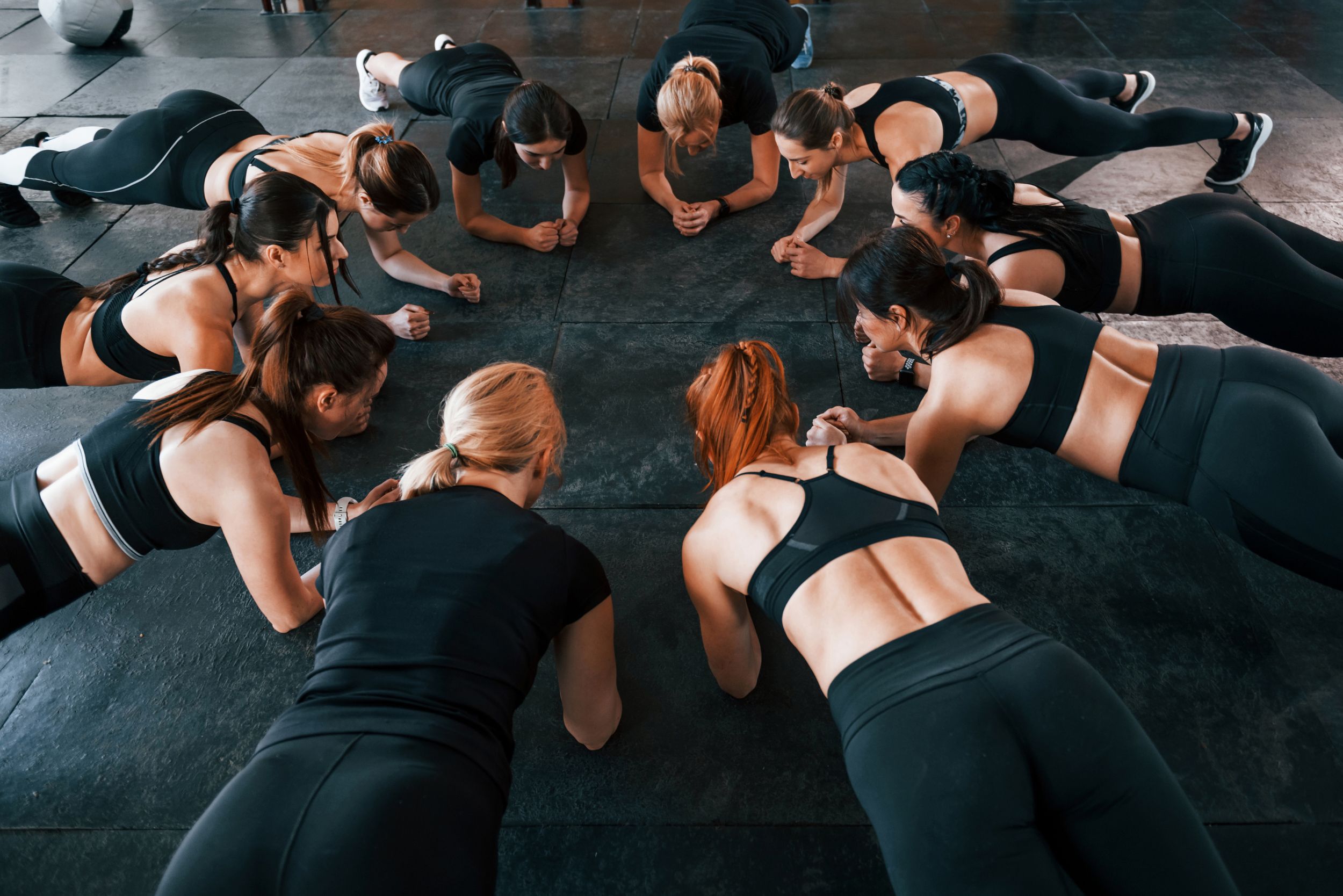
Planks may look simple, but they train the core, shoulders, glutes, and total-body stability.
Strong Core, Better Movement
A strong core supports almost every exercise you do. Planks are a great way to build stability without needing much time or equipment.
10. Battle Ropes
Battle ropes are a powerful conditioning tool. They work the arms, shoulders, core, legs, and cardiovascular system.
Quick and Effective
Battle ropes are perfect for busy people because they can make a short workout feel intense and productive. Add them at the end of your workout for a strong conditioning finish.
Simple Full-Body Workout for Busy People
If you only have 30 minutes, keep the workout simple and focused.
Example Workout
Complete 3 rounds:
Squats
Push-ups
Rows
Walking lunges
Farmer’s carries
Plank hold
Sled push or battle ropes
Rest as needed and focus on good form. This type of workout trains strength, cardio, and core stability in one session.
Make Every Workout Count
Busy people do not need perfect schedules. They need realistic workouts that fit their lives. Full-body training allows you to get stronger, move better, and stay consistent without spending hours in the gym.
At Movement Fitness, members have the space, equipment, turf, and community to make efficient workouts more effective.
Final Takeaway
The best full-body exercises are the ones that help you train multiple muscles, save time, and stay consistent. Squats, deadlifts, push-ups, rows, lunges, carries, sled pushes, kettlebell swings, planks, and battle ropes are all great options for busy people.
You do not need more time. You need a better plan. Start simple, train with purpose, and keep moving forward.

10 Gym Mistakes That Can Slow Down Your Progress
Small Habits Can Make a Big Difference
Getting results in the gym is not only about showing up. It is also about how you train, how you recover, and how consistent you are with your habits. Many people work hard but still feel stuck because they are making simple mistakes that slow down their progress.
At Movement Fitness, we believe training should have purpose. Whether your goal is weight loss, strength, athletic performance, better mobility, or overall health, avoiding these common gym mistakes can help you get better results.
1. Training Without a Plan
Walking into the gym without a plan can lead to random workouts and inconsistent progress. You may use whatever machine is open or copy someone else’s routine without knowing if it fits your goals.
How to Fix It
Have a workout plan before you start. Know what you are training, which exercises you are doing, and what your goal is for the session. A simple plan done consistently is better than a complicated plan you never follow.
2. Skipping the Warm-Up
A lot of people rush straight into lifting or cardio without preparing their body first. This can make your workout feel harder and may increase the chance of injury.
How to Fix It
Spend 5 to 10 minutes warming up. Use light cardio, mobility drills, bodyweight movements, or turf movement to get your body ready. A good warm-up helps improve performance and movement quality.
3. Using Too Much Weight
Lifting heavy can be helpful, but using too much weight too soon can hurt your form. When form breaks down, the exercise becomes less effective and more risky.
How to Fix It
Focus on control before adding weight. Choose a weight you can move with good technique. Once your form is strong, gradually increase the resistance over time.
4. Doing the Same Workout Every Time
Repeating the same workout for weeks or months can lead to plateaus. Your body adapts, and eventually the same routine may stop producing the same results.
How to Fix It
Change your workouts over time. Add more weight, increase reps, adjust rest periods, try new exercises, or include turf conditioning. Progress comes from giving your body a reason to improve.
5. Ignoring Recovery
More workouts do not always mean better results. If you train hard every day without recovery, your body may feel tired, sore, and worn down.
How to Fix It
Make recovery part of your plan. Get enough sleep, drink water, stretch, and take rest days when needed. Recovery is when your body rebuilds and gets stronger.
6. Poor Nutrition Habits
You cannot out-train poor nutrition. If your workouts are consistent but your food choices are not supporting your goals, your progress may slow down.
How to Fix It
Focus on the basics. Eat enough protein, include healthy carbohydrates, drink water, and avoid relying on processed foods all day. You do not need a perfect diet. You need a consistent one.
7. Not Tracking Progress
If you are not tracking your workouts, it can be hard to know if you are improving. You may be guessing instead of measuring real progress.
How to Fix It
Write down your exercises, weights, reps, cardio time, or how you felt during the workout. Tracking helps you see progress and make smarter adjustments.
8. Comparing Yourself to Others
Comparison can hurt motivation. Everyone has a different starting point, schedule, body, experience level, and goal. Focusing too much on others can make you forget your own progress.
How to Fix It
Stay focused on your own journey. Your goal is to improve from where you started. Celebrate small wins and keep building momentum.
9. Skipping Mobility Work
Mobility is often overlooked, but it plays a major role in how well you move, lift, recover, and feel. Poor mobility can limit your range of motion and affect your workouts.
How to Fix It
Add 5 to 10 minutes of mobility work before or after training. Focus on hips, shoulders, ankles, hamstrings, and back. Better movement can lead to better training.
10. Quitting Too Soon
Many people stop because they do not see results immediately. Fitness takes time. Real progress comes from repeated effort, not one perfect workout.
How to Fix It
Stay patient and consistent. Results build over weeks and months. Keep showing up, keep learning, and keep improving your habits one step at a time.
Train Smarter at Movement Fitness
Avoiding these mistakes can help you make your workouts more effective and your progress more consistent. At Movement Fitness in Las Vegas, members have access to strength equipment, cardio options, functional training space, and a 50-yard indoor turf to support better training.
The goal is not to be perfect. The goal is to move with purpose, train smarter, and keep showing up.
Final Takeaway
Progress comes from consistency, structure, recovery, and discipline. When you avoid common gym mistakes, you give yourself a better chance to build strength, improve fitness, and reach your goals.
Every workout is a chance to get better. Start where you are, stay focused, and keep moving forward.
.
The Best Beginner Workout Plan for Your First 30 Days
Start Simple and Build Momentum
Starting a fitness routine can feel overwhelming, especially if you are new to the gym or coming back after time away. The good news is that your first 30 days do not need to be complicated. The goal is not perfection. The goal is consistency.
At Movement Fitness, beginners have access to the space, equipment, turf, and support needed to build confidence one workout at a time. Whether your goal is weight loss, strength, better energy, or simply creating a healthier routine, your first month should focus on learning, moving, and building better habits.
What to Focus on During Your First 30 Days
Your first 30 days should be about building a foundation. You do not need to train like an athlete on day one. You need to learn basic movements, improve your comfort in the gym, and create a routine you can actually maintain.
Beginner Goals for Month One
During your first month, focus on:
Learning proper form
Building consistency
Improving energy
Creating a routine
Getting comfortable with equipment
Adding strength, cardio, and mobility
Small steps done consistently will always beat extreme workouts that you cannot maintain.
Week 1: Get Comfortable
The first week is about showing up and getting familiar with the gym. Keep workouts simple and manageable.
Workout Plan
Start with 3 workouts this week.
Each workout can include:
5 to 10 minutes of light cardio
Bodyweight squats
Machine chest press
Seated row
Step-ups
Dumbbell shoulder press
Plank hold
Light stretching
Use light weight and focus on control. You should finish feeling like you worked, not like you destroyed your body.
Week 2: Build a Routine
In week two, the goal is to become more consistent. You can continue with 3 workouts and begin adding slightly more structure.
Workout Plan
Try this format:
Day 1: Full-body strength
Day 2: Cardio and mobility
Day 3: Full-body strength
For strength days, use basic movements like squats, rows, presses, lunges, and core work. For cardio and mobility, use the treadmill, bike, rower, or light turf movement followed by stretching.
Keep It Realistic
Do not worry about doing everything perfectly. Focus on showing up, learning the exercises, and building confidence.
Week 3: Add More Movement
By week three, your body may start feeling more comfortable with training. This is a good time to add more movement and variety.
At Movement Fitness in Las Vegas, the 50-yard indoor turf is a great place to add beginner-friendly movement work.
Beginner Turf Ideas
Try simple turf movements like:
Walking lunges
Light sled pushes
Farmer’s carries
Controlled bear crawls
Shuttle walks
Mobility drills
The turf gives you room to move without feeling limited to machines. It is a great way to make workouts more engaging while building strength and conditioning.
Week 4: Build Confidence and Progress
In week four, the goal is to keep improving. You can increase your workouts to 4 days if your body feels ready.
Workout Plan
Try this simple weekly schedule:
Monday: Full-body strength
Tuesday: Cardio and mobility
Wednesday: Rest
Thursday: Full-body strength
Friday: Turf conditioning
Saturday: Light cardio or stretching
Sunday: Rest
This schedule gives you strength, cardio, mobility, turf movement, and recovery without overtraining.
Beginner Strength Workout
A simple beginner strength workout should train the entire body.
Example Workout
Complete 2 to 3 rounds of:
Bodyweight or goblet squats
Machine chest press
Seated row
Dumbbell deadlifts
Step-ups
Cable rotations
Plank hold
Rest when needed and focus on good form. As you improve, you can slowly increase weight, reps, or sets.
Beginner Cardio Workout
Cardio helps improve endurance, heart health, and energy. For beginners, cardio should feel challenging but not impossible.
Example Cardio Plan
Start with:
5-minute warm-up
15 to 20 minutes of steady cardio
5-minute cooldown
Choose a treadmill, bike, rower, stair climber, or light turf circuit. The best cardio option is the one you will actually do consistently.
Beginner Mobility Routine
Mobility helps your body move better, feel less stiff, and recover from training.
Simple Mobility Plan
Add 5 to 10 minutes of:
Hip openers
Hamstring stretches
Shoulder circles
Ankle mobility
Thoracic rotations
Deep breathing
Mobility may not feel exciting at first, but it can make a big difference in how your body feels during and after workouts.
Common Beginner Mistakes to Avoid
Many beginners try to do too much too soon. That can lead to soreness, frustration, or burnout.
Avoid These Mistakes
Skipping warm-ups
Using too much weight
Training every day without recovery
Comparing yourself to others
Ignoring nutrition
Quitting after one bad day
Your first 30 days are about building momentum, not proving everything at once.
How to Get Better Results
Results come from consistency. You do not need a perfect plan. You need a plan you can repeat.
Eat enough protein, drink water, sleep well, and give your body time to recover. Track your workouts so you can see your progress over time.
Start Your Fitness Journey at Movement Fitness
Your first 30 days can set the tone for everything that comes next. Start simple, stay consistent, and give yourself room to improve.
Movement Fitness gives beginners a supportive place to build strength, improve cardio, move better, and gain confidence in the gym.
You do not have to be advanced to start. You just have to take the first step.
Full-Body Workout Ideas for Every Fitness Level
Build Strength From Head to Toe
A full-body workout is one of the best ways to train because it helps you work multiple muscle groups in one session. Instead of focusing on only one area, full-body training allows you to build strength, improve conditioning, burn calories, and move better overall.
At Movement Fitness, members have the space, equipment, and training environment to build workouts that match their current fitness level. Whether you are a beginner, intermediate, or advanced gym member, full-body training can be adjusted to fit your goals.
Why Full-Body Workouts Work
Full-body workouts are effective because they train your upper body, lower body, and core in the same session. This type of training is great for people who want results but may not have time to train every single day.
Instead of spending one day on chest, another day on legs, and another day on back, full-body workouts give you a balanced approach.
Great for Strength, Fat Loss, and Conditioning
Full-body workouts can help you:
Build lean muscle
Burn more calories
Improve endurance
Increase strength
Train more efficiently
Improve overall movement
The key is choosing exercises that match your fitness level and performing them with good form.
Beginner Full-Body Workout
If you are new to the gym or getting back into fitness, start simple. The goal is to build confidence, learn proper movement, and create consistency.
Workout Example
Start with 5 to 10 minutes of light cardio to warm up.
Then complete:
Bodyweight squats
Machine chest press
Seated row
Step-ups
Dumbbell shoulder press
Plank hold
Light stretching
This workout helps beginners train the major muscle groups without feeling overwhelmed. Keep the weight light to moderate and focus on control.
Intermediate Full-Body Workout
If you already have some gym experience, you can increase the intensity by adding more resistance, more sets, and more challenging movements.
Workout Example
Start with a warm-up using light cardio, mobility drills, or turf movement.
Then complete:
Goblet squats
Dumbbell bench press
Lat pulldowns
Romanian deadlifts
Walking lunges
Cable rotations
Farmer’s carries
This type of workout builds strength, improves balance, and challenges the core. It is a great option for members who want a complete training session without spending hours in the gym.
Advanced Full-Body Workout
Advanced members can use heavier loads, more explosive movements, and conditioning finishers to push performance.
Workout Example
Start with a dynamic warm-up on the turf.
Then complete:
Barbell squats
Deadlifts
Pull-ups
Dumbbell incline press
Sled pushes
Kettlebell swings
Battle ropes
Weighted core work
This workout is designed to challenge strength, power, endurance, and mental toughness. Advanced training should still be done with control and proper form.
Use the Turf for Full-Body Training
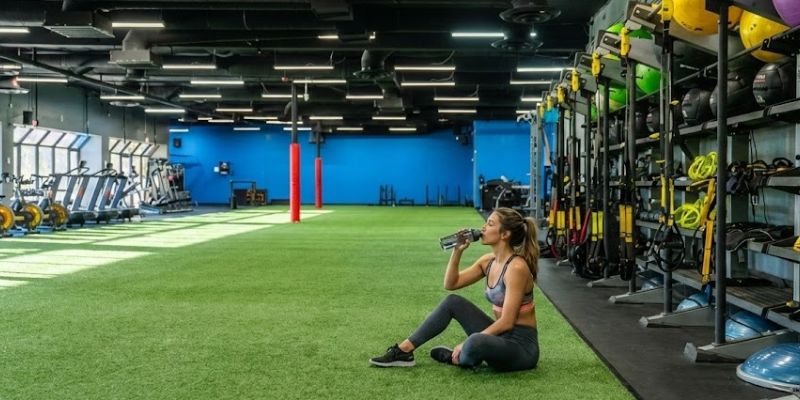
One of the best features at Movement Fitness in Las Vegas is the 50-yard indoor turf. The turf gives members room to move, condition, and add athletic-style training into their workouts.
Turf Workout Ideas
You can use the turf for:
Sled pushes
Walking lunges
Bear crawls
Shuttle runs
Agility drills
Loaded carries
Core circuits
Turf training is a great way to make full-body workouts more dynamic and engaging. It helps train strength, cardio, coordination, and functional movement all at once.
How Often Should You Do Full-Body Workouts?
Most people can benefit from doing full-body workouts two to four times per week, depending on their goals, schedule, and recovery.
Beginners may start with two or three days per week. Intermediate and advanced members may train three to four days per week while mixing in cardio, mobility, and recovery days.
Recovery Still Matters
Even if you are motivated, your body needs time to recover. Rest days, stretching, hydration, sleep, and proper nutrition all help support better results.
Training hard is important, but recovering well is what allows your body to improve.
Make the Workout Fit Your Goal
Full-body training can be adjusted based on what you want to accomplish.
If your goal is strength, use heavier weights and controlled reps.
If your goal is weight loss, add circuits and conditioning.
If your goal is mobility, include more stretching and movement drills.
If your goal is athletic performance, use turf work, sleds, carries, and explosive movements.
The best workout is the one that fits your body, your schedule, and your long-term goals.
Train Smarter at Movement Fitness
Full-body workouts are a powerful way to build strength, improve fitness, and stay consistent. Whether you are just starting or already training hard, Movement Fitness gives you the equipment, turf, space, and community to keep moving forward.
You do not need to be perfect. You just need to show up, train with purpose, and keep building momentum.