Working Out 5 Days a Week but Not Losing Weight? Here’s Why
Effort Alone Does Not Always Equal Weight Loss
Working out five days a week takes commitment. If you are showing up consistently, sweating through workouts, lifting weights, doing cardio, and still not seeing the scale move, it can feel frustrating.
But not losing weight does not always mean your workouts are failing. It usually means something in your overall plan needs to be adjusted.
At Movement Fitness, we believe results come from more than just working hard. They come from training with purpose, recovering properly, and building habits that support your goals inside and outside the gym.
1. You May Be Eating More Than You Think
Weight loss comes down to creating a consistent calorie deficit. Even if you work out five days a week, it is still possible to eat enough calories to maintain your weight.
This can happen easily with large portions, snacks, sugary drinks, weekend meals, or “healthy” foods that are higher in calories than expected.
What to Do Instead
Start paying closer attention to your daily intake. You do not need to obsess over every bite forever, but tracking for a short period can help you understand where your calories are coming from.
Focus on lean protein, vegetables, fruits, whole foods, and better portion control.
2. You Are Doing Too Much Cardio and Not Enough Strength Training
Cardio can help burn calories, but strength training is important if you want to change your body composition. If most of your workouts are cardio-based, you may be missing the muscle-building side of fat loss.
Muscle Helps Shape Your Body
Strength training helps build lean muscle, support metabolism, improve posture, and create a stronger look. A good weight loss plan should include both strength training and cardio.
At Movement Fitness in Las Vegas, members have access to strength equipment, cardio options, functional training areas, and a 50-yard indoor turf to build a balanced routine.
3. Your Workouts May Not Be Structured
Working out five days a week is great, but random workouts can lead to random results. If you are doing different exercises every day without a clear plan, it may be hard to measure progress.
Train With a Plan
Your weekly routine should have structure. For example:
Strength training 3 days per week
Cardio or turf conditioning 1 to 2 days per week
Mobility and recovery built into the week
A clear plan helps you know what you are improving and where adjustments need to be made.
4. You Are Not Progressing Your Workouts
If you do the same workout with the same weights, same reps, and same intensity every week, your body may adapt. Once your body adapts, results can slow down.
Progress Over Time
Try increasing weight gradually, adding reps, improving form, shortening rest periods, or adding more intensity when appropriate.
Progress does not have to be dramatic. Small improvements repeated over time can create big changes.
5. You May Not Be Eating Enough Protein
Protein is important for fat loss because it helps support muscle, recovery, and fullness. If you are not eating enough protein, you may feel hungry more often and recover more slowly from workouts.
Keep It Simple
Try to include protein with each meal. Good options include chicken, turkey, eggs, fish, lean beef, Greek yogurt, protein smoothies, tofu, beans, and cottage cheese.
Protein does not magically cause weight loss, but it can make your plan easier to follow.
6. You Are Not Recovering Enough
Training five days a week can be effective, but only if your body is recovering. If you are not sleeping enough, drinking enough water, or taking rest days seriously, your body may feel stressed and worn down.
Recovery Supports Results
Recovery helps your muscles repair, your energy improve, and your workouts feel stronger. If you are constantly sore, tired, or unmotivated, you may need better recovery habits.
Rest is not the enemy. It is part of the process.
7. The Scale Is Not Telling the Whole Story
Sometimes the scale does not move because your body is changing in other ways. You may be building muscle, losing inches, improving strength, or changing how your clothes fit.
Track More Than Weight
Pay attention to:
Body measurements
Progress photos
Strength improvements
Energy levels
Workout performance
How your clothes fit
Consistency
The scale is one tool, but it is not the only measure of progress.
8. Your Weekend Habits May Be Slowing You Down
Many people stay consistent Monday through Friday but undo progress on the weekend. Restaurant meals, alcohol, desserts, snacks, and larger portions can quickly erase the calorie deficit created during the week.
Stay Consistent Without Being Perfect
You do not need to avoid fun or social events. Just be aware of your choices. A balanced plan should allow flexibility without turning every weekend into a reset.
9. You May Need More Daily Movement
Workouts matter, but what you do outside the gym matters too. If you train for one hour but sit most of the day, your overall daily movement may still be low.
Increase Your Activity
Try adding more walking, taking the stairs, stretching during the day, or getting more steps. Small increases in daily movement can support fat loss without requiring another intense workout.
10. You Have Not Given It Enough Time
Weight loss takes time. A few strong workouts or one good week will not always create instant results. Real change comes from repeated consistency over weeks and months.
Stay Patient
If you are training, eating better, recovering, and staying consistent, give your body time to respond. The goal is not quick weight loss. The goal is sustainable progress.
Final Takeaway
If you are working out five days a week but not losing weight, do not assume your effort is wasted. Your body may simply need a better plan.
Look at your nutrition, workout structure, recovery, protein intake, daily movement, and weekend habits. When all of those pieces work together, results become much more likely.
At Movement Fitness, members have the equipment, turf, space, and community to train with purpose and build a routine that supports long-term progress.


Why You’re Working Out but Not Seeing Results
Effort Is Important, but Strategy Matters Too
Working out consistently is a major step toward better health, but it can be frustrating when you feel like you are doing the work and still not seeing the results you want. You may be showing up, sweating, lifting, doing cardio, and trying to stay committed, but your body does not seem to be changing.
The problem is not always effort. Sometimes, it is the way your workouts, nutrition, recovery, and habits are structured.
At Movement Fitness, we believe results come from training with purpose. If you are working out but not seeing progress, it may be time to look at what could be holding you back.
1. You Do Not Have a Clear Plan
One of the biggest reasons people stop seeing results is because they train without a real plan. Random workouts can make you tired, but they do not always move you closer to your goals.
What to Do Instead
Decide what you want to accomplish. Are you training for fat loss, strength, muscle growth, endurance, or better movement? Your goal should guide your workouts.
A good plan should include strength training, cardio, mobility, and recovery. You do not need a perfect routine, but you do need structure.
2. You Are Not Progressing Your Workouts
If you do the same exercises, same weight, same reps, and same routine every week, your body may stop adapting. Progress happens when your body is challenged over time.
Small Progress Adds Up
Try adding more weight, doing more reps, improving your form, shortening rest periods, or increasing workout intensity gradually. These small changes help your body continue improving.
3. Your Nutrition Does Not Match Your Goal
You cannot out-train poor nutrition. If your workouts are strong but your food habits are inconsistent, your results may slow down.
For fat loss, you need to pay attention to calories, protein, hydration, and food quality. For muscle gain, you need enough protein and enough total food to support growth.
Keep Nutrition Simple
Start with the basics:
Eat protein with each meal.
Drink more water.
Choose whole foods more often.
Limit sugary drinks and processed snacks.
Avoid skipping meals and overeating later.
Consistency with nutrition matters more than perfection.
4. You Are Doing Too Much Cardio and Not Enough Strength Training
Cardio is great for heart health, endurance, and calorie burn. But if your goal is to change your body, strength training needs to be a major part of your routine.
Muscle Helps Create Shape
Strength training helps build lean muscle, improve metabolism, support joints, and create a stronger-looking body. If you only focus on cardio, you may lose weight but still feel like your body is not changing the way you want.
5. You Are Not Recovering Enough
More workouts do not always mean better results. If you train hard every day without rest, your body may not have enough time to recover and improve.
Recovery Is Part of the Plan
Sleep, hydration, rest days, stretching, and proper nutrition all help your body rebuild. If you feel tired, sore, unmotivated, or weaker than usual, your body may need more recovery.
6. You Are Not Tracking Anything
If you are not tracking your workouts, food, measurements, or progress, it is hard to know what is working. You may feel stuck even when small improvements are happening.
Track More Than the Scale
The scale is only one tool. Also pay attention to strength, energy, endurance, clothing fit, body measurements, consistency, and confidence.
Progress can show up in more ways than just weight loss.
7. You Are Not Giving It Enough Time
Real results take time. Many people quit too early because they expect major changes in a few weeks. Fitness is built through repeated effort, not one perfect workout.
Stay Consistent
If you are training properly, eating better, recovering, and staying consistent, give your body time to respond. Small improvements repeated over weeks and months can lead to major changes.
Train Smarter at Movement Fitness
If you are working out but not seeing results, it may be time to adjust your approach. At Movement Fitness in Las Vegas, members have access to strength equipment, cardio options, functional training space, a 50-yard indoor turf, and a supportive fitness community.
Whether your goal is fat loss, strength, performance, or better overall health, the right plan can help you move forward.
Final Takeaway
If you are working out but not seeing results, do not assume you are failing. You may just need better structure, better nutrition, more recovery, or a clearer plan.
Train with purpose. Track your progress. Stay consistent. Make small adjustments. Results come when your effort and strategy work together.
How Many Days a Week Should You Work Out to See Results?
Results Come From Consistency, Not Perfection
One of the most common fitness questions is: how many days a week should you work out to actually see results? The answer depends on your goal, your fitness level, your schedule, and how well your body recovers.
The good news is you do not need to work out every single day to make progress. You need a realistic plan that you can follow consistently.
At Movement Fitness, members have the equipment, turf, space, and supportive gym environment to build a routine that fits their lifestyle and helps them stay consistent.
How Many Days Should Beginners Work Out?
If you are just getting started, 3 days per week is a strong place to begin. This gives your body time to adjust while still helping you build strength, endurance, and confidence.
Beginner Weekly Plan
A simple beginner schedule could look like this:
Monday: Full-body strength
Wednesday: Cardio and mobility
Friday: Full-body strength
This gives you structure without overwhelming your body. As your fitness improves, you can slowly add another day.
How Many Days for Fat Loss?
If your goal is fat loss, 3 to 5 days per week can work well. The key is combining strength training, cardio, nutrition, and recovery.
Strength training helps build muscle and support metabolism. Cardio helps improve conditioning and increase calorie burn. Nutrition helps create the consistency needed for fat loss.
Fat Loss Weekly Plan
Try this simple structure:
3 days of strength training
1 to 2 days of cardio or turf conditioning
1 to 2 recovery days
At Movement Fitness in Las Vegas, the 50-yard indoor turf is a great option for conditioning workouts like sled pushes, walking lunges, shuttle runs, and farmer’s carries.
How Many Days for Building Muscle?
If your goal is building muscle, 3 to 5 days per week is a good range for most people. You need enough training to challenge your muscles, but enough recovery to let them rebuild.
Muscle-Building Weekly Plan
A simple plan could include:
Monday: Upper body
Tuesday: Lower body
Wednesday: Rest or mobility
Thursday: Upper body
Friday: Lower body
Saturday: Optional cardio or recovery
Sunday: Rest
The goal is to train each muscle group consistently while giving your body time to recover.
How Many Days for Overall Health?
If your goal is general health, energy, and feeling better, you can see benefits from 3 to 4 workouts per week. Your routine should include strength training, cardio, mobility, and recovery.
Balanced Weekly Plan
A balanced schedule could look like this:
Day 1: Full-body strength
Day 2: Cardio
Day 3: Rest or mobility
Day 4: Full-body strength
Day 5: Turf conditioning or light cardio
Day 6: Recovery
Day 7: Rest
This type of plan helps you build strength, improve endurance, move better, and avoid burnout.
Recovery Days Matter
More is not always better. Working out too many days without rest can lead to soreness, fatigue, poor performance, and slower progress.
Recovery is when your body repairs, adapts, and gets stronger. If you are constantly tired or sore, your body may be telling you it needs more rest.
Signs You May Need More Recovery
You feel sore all the time
Your workouts feel harder than usual
You are not sleeping well
Your motivation is dropping
Your strength is going down
You feel tired before training starts
Taking a rest day does not mean you are losing progress. It means you are giving your body the chance to improve.
Quality Matters More Than Quantity
Working out 6 days per week with no plan is not better than working out 3 days per week with structure. The quality of your workouts matters.
A strong workout should have a purpose. Know what you are training, choose exercises that match your goal, warm up properly, and track your progress.
Train With Purpose
Instead of asking only how many days you should work out, ask what each workout is doing for you. Are you building strength? Improving cardio? Working on mobility? Recovering properly?
That is how you create a routine that actually works.
Start With a Schedule You Can Keep
The best workout schedule is the one you can maintain. If 5 days per week feels unrealistic, start with 3. If you are already consistent, add a fourth day. If life gets busy, adjust without quitting completely.
Fitness should fit your life, not destroy your schedule.
Final Takeaway
Most people can see results by working out 3 to 5 days per week, depending on their goals and recovery. Beginners can start with 3 days. People focused on fat loss, muscle growth, or performance may train 4 to 5 days with the right structure.
At Movement Fitness, members have the space, equipment, turf, and community to build a routine that works. Start with a realistic plan, stay consistent, recover properly, and keep moving forward.
Why Sled Pushes Might Be One of the Best Full-Body Exercises in the Gym
A Simple Exercise With Serious Results
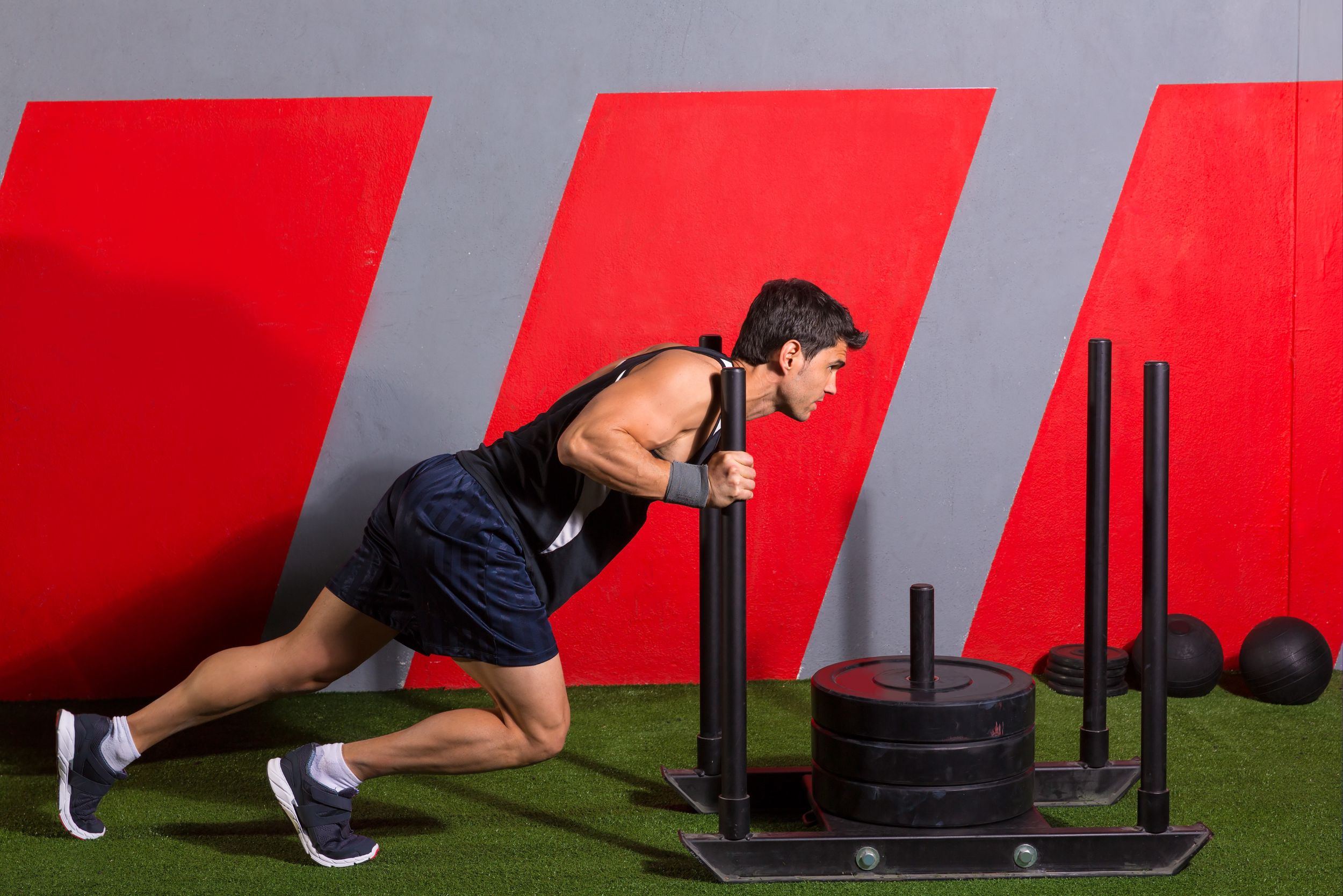
Some exercises look simple, but they deliver major results. The sled push is one of them. It may not look complicated, but once you start pushing, you quickly realize how much of your body is working.
At Movement Fitness, sled pushes are one of the best ways to use the 50-yard indoor turf for strength, conditioning, power, and full-body training. Whether your goal is fat loss, athletic performance, stronger legs, or better endurance, sled pushes can be a powerful addition to your workout routine.
Why Sled Pushes Work So Well
Sled pushes are effective because they train multiple muscle groups at the same time. Your legs drive the movement, your core keeps you stable, your upper body holds position, and your lungs work hard to keep up.
This makes sled pushes more than just a leg exercise. They are a full-body movement that combines strength and cardio in one workout.
Muscles Used During Sled Pushes
Sled pushes can help train your:
Quads
Glutes
Hamstrings
Calves
Core
Shoulders
Chest
Back
Grip
Because so many muscles are involved, sled pushes can make a short workout feel extremely productive.
Great for Strength and Conditioning
One of the biggest benefits of sled pushes is that they can be adjusted based on your goal. If you want to build strength, you can load the sled heavier and push with power. If you want conditioning, you can use a lighter load and move faster for repeated rounds.
Train Hard Without Overcomplicating It
You do not need a complicated setup. Add weight, push the sled across the turf, rest, and repeat. That simplicity makes sled pushes easy to understand but still highly effective.
They are a great option for beginners, athletes, personal training clients, and experienced gym members.
A Lower-Impact Cardio Option
Many people want better cardio but do not enjoy running. Others may want conditioning without the same pounding on their joints. Sled pushes can be a strong alternative.
Because you are pushing against resistance instead of repeatedly jumping or running long distances, sled work can feel more controlled while still challenging your heart rate.
Conditioning That Feels Athletic
Sled pushes help build endurance, stamina, and mental toughness. They are especially useful for people who want cardio that feels more powerful and athletic than just walking on a treadmill.
Perfect for Turf Training
One of the best features at Movement Fitness in Las Vegas is the 50-yard indoor turf. This gives members the space needed to perform sled pushes correctly and safely.
The turf allows you to push for distance, control your pace, and add sled work into circuits, warm-ups, finishers, or performance workouts.
Sled Push Workout Ideas
You can use sled pushes in several ways:
Heavy pushes for strength
Light pushes for conditioning
Short sprints for power
Longer pushes for endurance
Partner workouts
Small group circuits
Athletic training sessions
That versatility is one reason sled pushes are such a valuable exercise.
Great for Athletes
Athletes need strong legs, powerful hips, core stability, and conditioning. Sled pushes help train all of those qualities.
For athletes, sled pushes can support acceleration, lower-body drive, power development, and game-ready conditioning. They can also be used with agility drills, shuttle runs, lunges, and other turf movements.
Build Power That Transfers
Sports require force, movement, and endurance. Sled pushes help athletes practice driving through the ground while maintaining body position and control.
That makes them a strong option for football, basketball, soccer, baseball, volleyball, and general performance training.
Helpful for Fat Loss Workouts
If your goal is fat loss, sled pushes can help because they challenge a lot of muscle at once and raise your heart rate quickly.
They are a great finisher after strength training or part of a full-body circuit. When combined with proper nutrition, strength training, and consistency, sled pushes can support a strong fat loss plan.
Simple Fat Loss Finisher
Try 4 to 6 rounds of:
Sled push
Walking lunges
Farmer’s carries
Plank hold
Rest as needed and keep your form strong.
Beginner-Friendly but Still Challenging
Sled pushes can be adjusted for almost any fitness level. Beginners can start with a lighter sled and shorter distance. Advanced members can add more weight, increase speed, or perform more rounds.
Start With Control
If you are new to sled pushes, focus on body position. Keep your core tight, drive through your legs, and push with steady steps. Do not rush the movement until you understand the form.
How to Add Sled Pushes to Your Routine
You do not need to do sled pushes every day. Add them once or twice per week depending on your goals and recovery.
Use them after leg day, during a conditioning workout, as part of a turf circuit, or as a short finisher after strength training.
Sample Sled Push Workout
Try this simple workout:
5-minute warm-up
Sled push for 20 yards
Rest 60 to 90 seconds
Repeat for 5 to 8 rounds
Finish with light stretching
Start light and build over time.
Final Takeaway
Sled pushes might be one of the best full-body exercises in the gym because they train strength, conditioning, power, endurance, and mental toughness all at once.
At Movement Fitness, the 50-yard indoor turf gives members the perfect space to use sled pushes as part of a smarter, more dynamic workout routine.
Whether you are training for fat loss, athletic performance, strength, or better overall fitness, sled pushes can help you move with purpose and build real results.
Feel Stiff All the Time? Your Workout May Be Missing Mobility Training
Stiffness Is a Sign Your Body Needs More Than Exercise
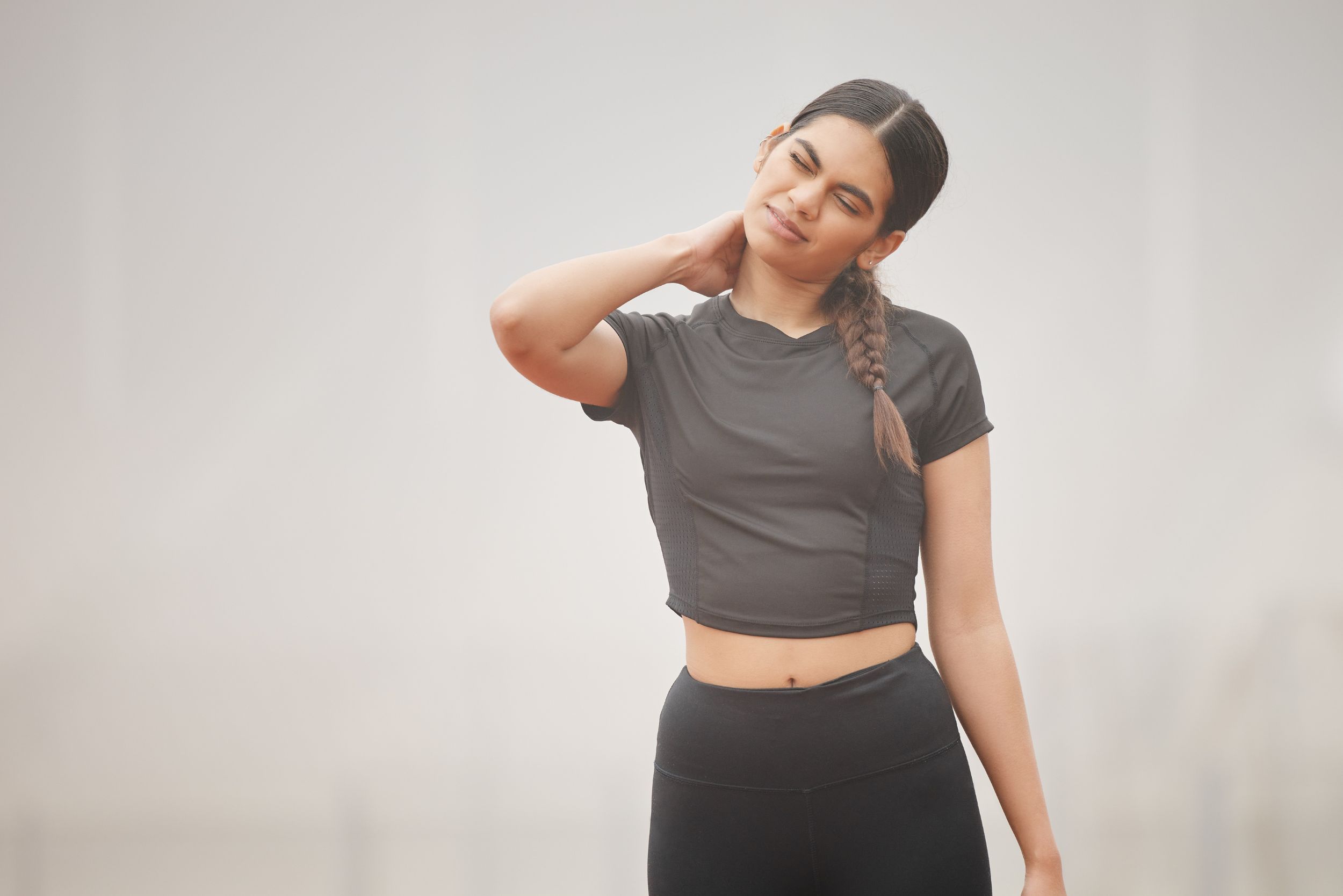
If you feel stiff all the time, your body may be trying to tell you something. Many people work out consistently but still feel tight in their hips, back, shoulders, hamstrings, or neck. The problem may not be lack of effort. It may be that your routine is missing mobility training.
At Movement Fitness, fitness is about more than lifting weights or doing cardio. It is about helping your body move better, feel stronger, and perform better in everyday life.
What Is Mobility Training?
Mobility training is focused on improving how well your joints move through their full range of motion. It combines flexibility, control, strength, and movement quality.
Stretching can help lengthen tight muscles, but mobility training teaches your body how to move better with control. That makes it an important part of a complete workout routine.
Mobility vs. Flexibility
Flexibility is how far a muscle can stretch. Mobility is how well you can control movement through that range.
For example, being able to touch your toes is flexibility. Being able to squat, lunge, rotate, and move comfortably with control is mobility.
Both matter, but mobility is what helps your body perform better during workouts and daily activities.
Why You Feel Stiff
Stiffness can come from many things. Sitting too much, training without proper warm-ups, skipping recovery, poor posture, lack of movement, and repetitive workouts can all make your body feel tight.
If you lift weights but never work on mobility, your joints may feel restricted. If you do cardio but never stretch or move through full ranges of motion, your body may still feel locked up.
Common Tight Areas
Many people feel stiffness in the:
Hips
Hamstrings
Lower back
Shoulders
Neck
Ankles
Upper back
These areas often get tight from sitting, stress, poor posture, and limited movement during the day.
Why Mobility Training Matters
Mobility training helps your body move more efficiently. When your joints move better, your workouts can feel smoother, safer, and more effective.
Better mobility can help improve squats, lunges, presses, deadlifts, running mechanics, turf training, and everyday movement.
Move Better, Train Better
If your hips are tight, your squats may feel uncomfortable. If your shoulders are stiff, pressing movements may feel limited. If your ankles lack mobility, lunges and lower-body exercises may feel harder than they should.
Adding mobility work can help your body get into better positions, which can support better form and better results.
Mobility Helps With Recovery
Mobility training is not only for warm-ups. It can also help with recovery. Light mobility work after training can reduce stiffness, improve circulation, and help your body feel better between workouts.
Recovery Is Part of Progress
Training hard is important, but recovering well is what allows you to keep improving. If you are always sore, stiff, or tight, your body may need more movement quality and recovery work.
Simple Mobility Exercises to Add
You do not need a complicated routine to start. Even 5 to 10 minutes of mobility work can make a difference when done consistently.
Beginner Mobility Routine
Try adding:
Hip openers
World’s greatest stretch
Cat-cow stretch
Thoracic rotations
Ankle mobility rocks
Shoulder circles
Hamstring sweeps
Deep squat holds
Move slowly, breathe, and stay in control. Do not force painful positions.
When Should You Do Mobility Training?
Mobility can be done before a workout, after a workout, or on recovery days.
Before training, mobility helps prepare your body for movement. After training, it helps you cool down and reduce stiffness. On rest days, it helps keep your body moving without adding too much stress.
Easy Weekly Plan
Try this simple approach:
Before workouts: 5 minutes of dynamic mobility
After workouts: 5 minutes of stretching and breathing
Recovery days: 10 to 15 minutes of light mobility
Small amounts done consistently can create better long-term results.
Use the Turf for Better Movement
One of the best features at Movement Fitness in Las Vegas is the 50-yard indoor turf. The turf gives members space to move, stretch, lunge, crawl, carry, and work on better movement patterns.
Turf Mobility Ideas
You can use the turf for:
Walking lunges
Bear crawls
Hip mobility drills
Shuttle walks
Dynamic warm-ups
Loaded carries
Stretching flows
The turf gives you room to move naturally instead of feeling stuck in one small area.
Do Not Wait Until You Are in Pain
Many people only think about mobility after they are already uncomfortable. A better approach is to make mobility part of your normal routine before stiffness becomes a bigger problem.
Prevention Beats Frustration
If you want to train consistently, your body needs to move well. Mobility training can help you feel better, improve your workouts, and stay active longer.
Final Takeaway
If you feel stiff all the time, your workout may be missing mobility training. Strength and cardio matter, but mobility helps your body move better, recover better, and train with better form.
At Movement Fitness, members have the space, equipment, turf, and community to build a complete routine that supports strength, conditioning, mobility, and long-term health.
Start small. Move with control. Stay consistent. Your body will thank you.
The Best Full-Body Workout for People Short on Time
Train Smarter When Your Schedule Is Busy
Not everyone has hours to spend in the gym. Between work, family, errands, and everyday responsibilities, finding time to work out can feel difficult. But being short on time does not mean you cannot get a great workout.
The key is choosing exercises that train multiple muscle groups, keep your heart rate up, and help you make the most of every minute.
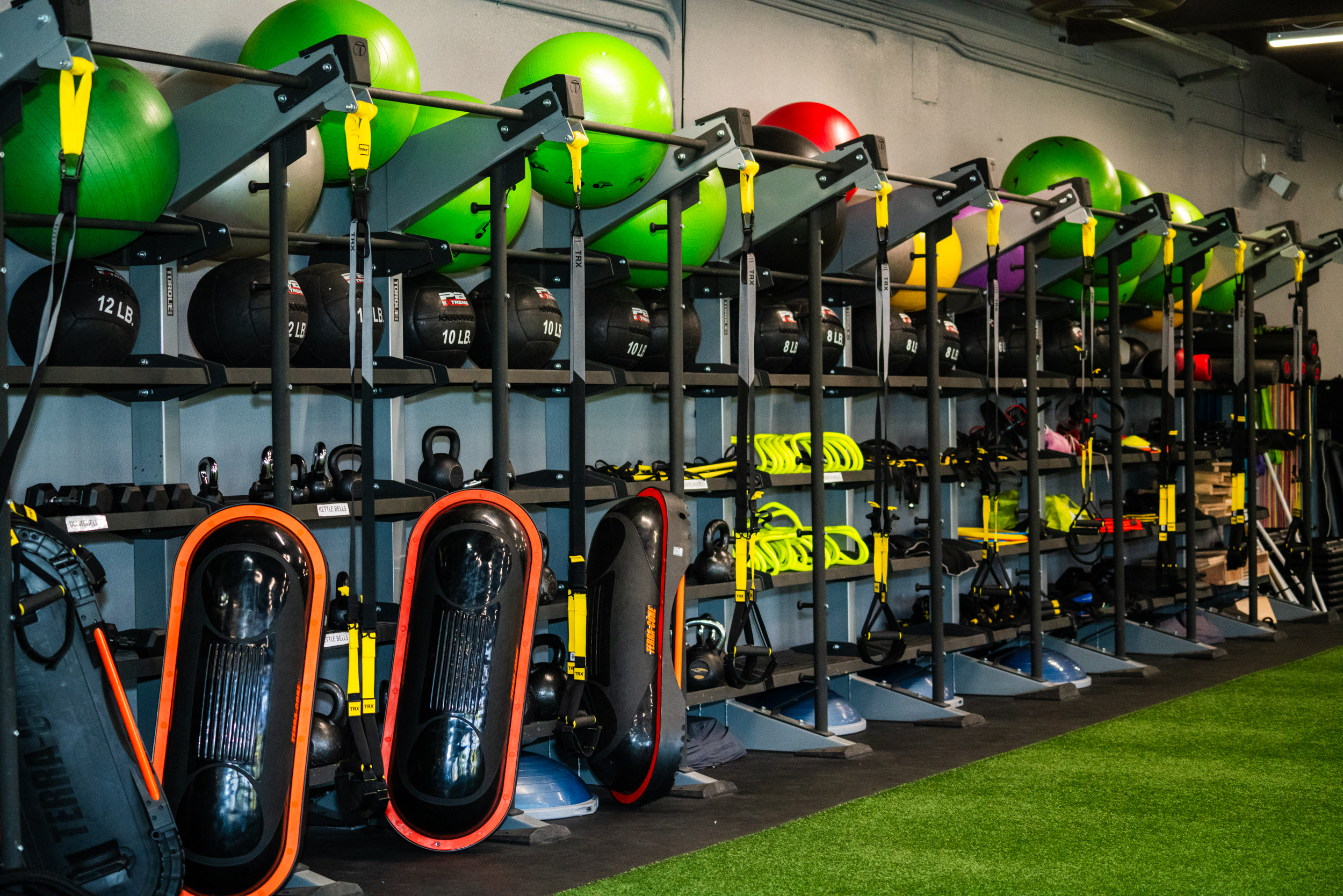
At Movement Fitness, members have access to strength equipment, cardio options, functional training areas, and a 50-yard indoor turf that makes efficient full-body training easier and more effective.
Why Full-Body Workouts Are Great for Busy People
Full-body workouts are one of the best options for people with limited time because they train your upper body, lower body, and core in one session. Instead of splitting workouts into separate body parts, you can build strength, improve conditioning, and burn calories in a shorter amount of time.
More Results in Less Time
A smart full-body workout can help you:
Build strength
Improve endurance
Burn calories
Train your core
Increase energy
Improve movement
Stay consistent
When time is limited, every exercise should have a purpose.
What Makes a Good Time-Saving Workout?
The best workout for busy people should be simple, structured, and effective. You do not need dozens of exercises. You need the right movements done with focus and good form.
Focus on Compound Exercises
Compound exercises work multiple muscle groups at once. These movements give you more value for your time than isolated exercises.
Great options include:
Squats
Rows
Push-ups
Deadlifts
Lunges
Shoulder presses
Farmer’s carries
Sled pushes
These exercises help train the body as one unit, which makes your workout more efficient.
The 30-Minute Full-Body Workout
If you only have 30 minutes, this workout gives you a strong mix of strength, cardio, and core training.
Warm-Up: 5 Minutes
Start with light movement to prepare your body.
Use:
Treadmill walk
Bike
Rower
Dynamic stretching
Light turf movement
The goal is to increase blood flow, loosen your joints, and get your body ready to train.
Strength Circuit: 20 Minutes
Complete 3 rounds of the following exercises:
Goblet squats
Push-ups or chest press
Seated row or dumbbell row
Romanian deadlifts
Walking lunges
Plank hold
Move with control and rest as needed. Choose weights that feel challenging but allow you to keep good form.
Why This Works
This circuit trains your legs, glutes, chest, back, shoulders, hamstrings, and core. It gives you a complete workout without wasting time moving randomly around the gym.
Turf Finisher: 5 Minutes
One of the best features at Movement Fitness in Las Vegas is the 50-yard indoor turf. If you are short on time, the turf is a great place to finish strong.
Quick Turf Finisher
Try 2 to 3 rounds of:
Sled push
Farmer’s carries
Shuttle walks or jogs
Bear crawl
This adds conditioning, strength, and intensity at the end of your workout.
Beginner Version
If you are newer to the gym, keep the workout simple and lower intensity.
Beginner Full-Body Workout
Try:
Bodyweight squats
Machine chest press
Seated row
Step-ups
Glute bridges
Plank hold
Light cardio
Start with 2 rounds and build from there.
Intermediate Version
If you already train consistently, increase the challenge with more resistance and shorter rest periods.
Intermediate Full-Body Workout
Try:
Goblet squats
Dumbbell bench press
Lat pulldowns
Romanian deadlifts
Walking lunges
Farmer’s carries
Turf conditioning
This gives you strength and cardio in one session.
Advanced Version
Advanced members can push intensity with heavier weights, explosive movements, and turf-based conditioning.
Advanced Full-Body Workout
Try:
Barbell squats
Pull-ups
Dumbbell incline press
Deadlifts
Sled pushes
Battle ropes
Weighted core work
Keep the workout focused and avoid rushing your form.
How Often Should You Do Full-Body Workouts?
If you are short on time, full-body training 2 to 4 times per week can be a great strategy. This gives you enough frequency to build strength and improve conditioning while still allowing recovery.
Simple Weekly Plan
Monday: Full-body strength
Wednesday: Cardio and mobility
Friday: Full-body strength
Saturday: Turf conditioning or recovery workout
This schedule is realistic for busy people and easier to maintain long term.
Tips to Make Every Workout Count
When time is limited, preparation matters. Know your workout before you walk in, keep rest periods controlled, and focus on exercises that match your goal.
Train With Purpose
Do not waste time guessing. Pick your exercises, track your progress, and stay consistent. Even a short workout can be effective when it is done with structure.
Final Takeaway
You do not need a perfect schedule to get results. You need a plan that fits your life.
A full-body workout is one of the best ways to train when you are short on time because it helps you build strength, improve conditioning, and stay consistent without spending hours in the gym.
At Movement Fitness, members have the space, equipment, turf, and community to make every workout count. Start simple, train with purpose, and keep moving forward.
What Should You Eat Before and After a Workout?
Fuel Your Body for Better Results
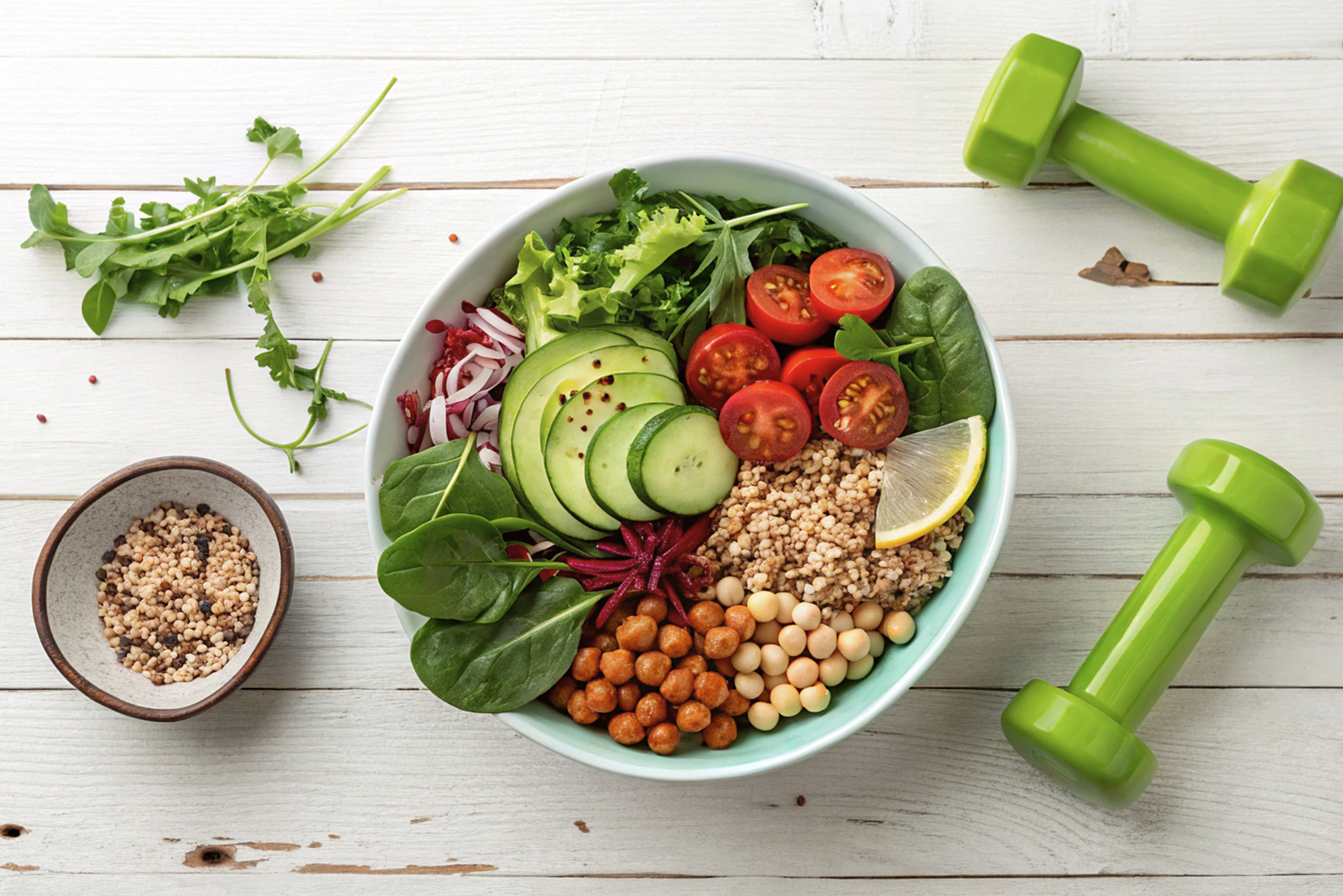
What you eat before and after a workout can make a major difference in how you feel, how you perform, and how well you recover. Training hard is important, but your body also needs the right fuel to support energy, strength, endurance, and muscle recovery.
At Movement Fitness, we believe fitness is about more than just showing up. It is about building smart habits that help you move better, feel stronger, and stay consistent with your goals.
Why Workout Nutrition Matters
Your body uses energy during every workout. Whether you are lifting weights, training on the turf, doing cardio, taking a class, or working with a coach, your muscles need fuel to perform.
If you do not eat enough before training, you may feel tired, weak, lightheaded, or unable to push through your workout. If you do not refuel after training, your recovery may suffer.
Food Supports Performance and Recovery
The right nutrition can help support:
Energy during workouts
Muscle recovery
Strength development
Endurance
Hydration
Better consistency
Overall progress
You do not need a perfect diet. You need simple, consistent choices that support your training.
What to Eat Before a Workout
Before a workout, the goal is to give your body enough energy without feeling too full or uncomfortable. A good pre-workout meal or snack usually includes carbohydrates for energy and some protein for muscle support.
Good Pre-Workout Options
Try simple options like:
Banana with peanut butter
Greek yogurt with berries
Oatmeal with fruit
Toast with eggs
Rice cakes with almond butter
Protein smoothie with fruit
Chicken and rice if eating earlier
The best choice depends on your schedule, your stomach, and the type of workout you are doing.
When Should You Eat Before Training?
Timing matters. If you are eating a larger meal, give your body more time to digest. If you are eating close to your workout, keep it lighter.
Simple Timing Guide
A full meal is usually better 2 to 3 hours before training. A smaller snack can work 30 to 60 minutes before your workout.
For example, if you are training after work, you may eat lunch earlier and then have a small snack before heading to the gym. If you train early in the morning, you may prefer something light like a banana, protein shake, or piece of toast.
What to Avoid Before a Workout
Some foods can make training uncomfortable, especially if eaten too close to your session. Heavy, greasy, or very high-fat meals can slow digestion and make you feel sluggish.
Keep It Simple Before Training
Avoid overdoing:
Fried foods
Heavy fast food
Large meals right before training
Too much sugar
Foods that upset your stomach
Brand-new foods before a hard workout
Your pre-workout meal should help you feel energized, not weighed down.
What to Eat After a Workout
After training, your body needs nutrients to recover. A good post-workout meal should include protein to support muscle repair and carbohydrates to help restore energy.
Good Post-Workout Options
Try meals or snacks like:
Grilled chicken with rice and vegetables
Eggs with toast and fruit
Greek yogurt with granola
Protein smoothie with banana
Turkey wrap
Salmon with sweet potato
Lean beef with potatoes and vegetables
The goal is to refuel your body and support recovery so you feel ready for your next workout.
Why Protein Matters After Training
Protein helps your muscles repair and rebuild after exercise. This is especially important after strength training, full-body workouts, turf conditioning, or intense cardio sessions.
Simple Protein Sources
Good protein options include:
Chicken
Turkey
Eggs
Fish
Lean beef
Greek yogurt
Protein powder
Tofu
Beans
Cottage cheese
You do not need to make it complicated. Just aim to include protein consistently throughout the day.
Why Carbs Matter Too
Carbohydrates often get blamed, but they are important for training. Carbs help fuel your workouts and restore energy afterward.
Smart Carbohydrate Options
Good options include:
Rice
Potatoes
Oats
Fruit
Whole-grain toast
Pasta
Quinoa
Beans
If you are training hard, doing turf work, lifting weights, or doing cardio, carbohydrates can help you perform and recover better.
Do Not Forget Hydration
Water plays a major role in energy, performance, digestion, and recovery. Even mild dehydration can make workouts feel harder than they need to be.
Hydration Tips
Drink water throughout the day, not just during your workout. If you sweat heavily or train for a long time, you may also benefit from electrolytes.
At Movement Fitness in Las Vegas, whether you are training on the 50-yard indoor turf, lifting weights, or doing cardio, hydration should always be part of your routine.
Smoothies Can Be a Smart Option
A smoothie can be a convenient way to fuel before or after a workout. It is easy to drink, quick to digest, and simple to customize based on your goals.
Simple Smoothie Ideas
For energy before training, try fruit, protein, and a light liquid base.
For recovery after training, try protein powder, banana, oats, peanut butter, and milk or almond milk.
Smoothies can be especially helpful when you are busy or do not feel like eating a full meal right away.
Match Your Food to Your Goal
Your nutrition should support your goal. If you want to lose fat, focus on protein, whole foods, hydration, and portion control. If you want to build muscle, make sure you are eating enough protein, carbohydrates, and total calories. If you want better performance, fuel your body before hard sessions and recover properly afterward.
Consistency Beats Perfection
You do not need to eat perfectly every day to get results. You need habits you can repeat. Small improvements with food, water, training, and recovery can lead to major changes over time.
Final Takeaway
What you eat before and after a workout matters. Before training, focus on energy and foods that digest well. After training, focus on protein, carbohydrates, hydration, and recovery.
At Movement Fitness, members have the space, equipment, turf, coaching, and community to train with purpose. When you combine smart workouts with smart nutrition, you give yourself a better chance to feel stronger, recover faster, and stay consistent.
7 Ways to Use Turf Training to Improve Your Workout
Make Your Workouts More Dynamic
Turf training is one of the best ways to add variety, movement, and intensity to your workout routine. Instead of staying in one spot or only using machines, turf workouts give you room to push, pull, sprint, carry, lunge, crawl, and condition your body in a more athletic way.
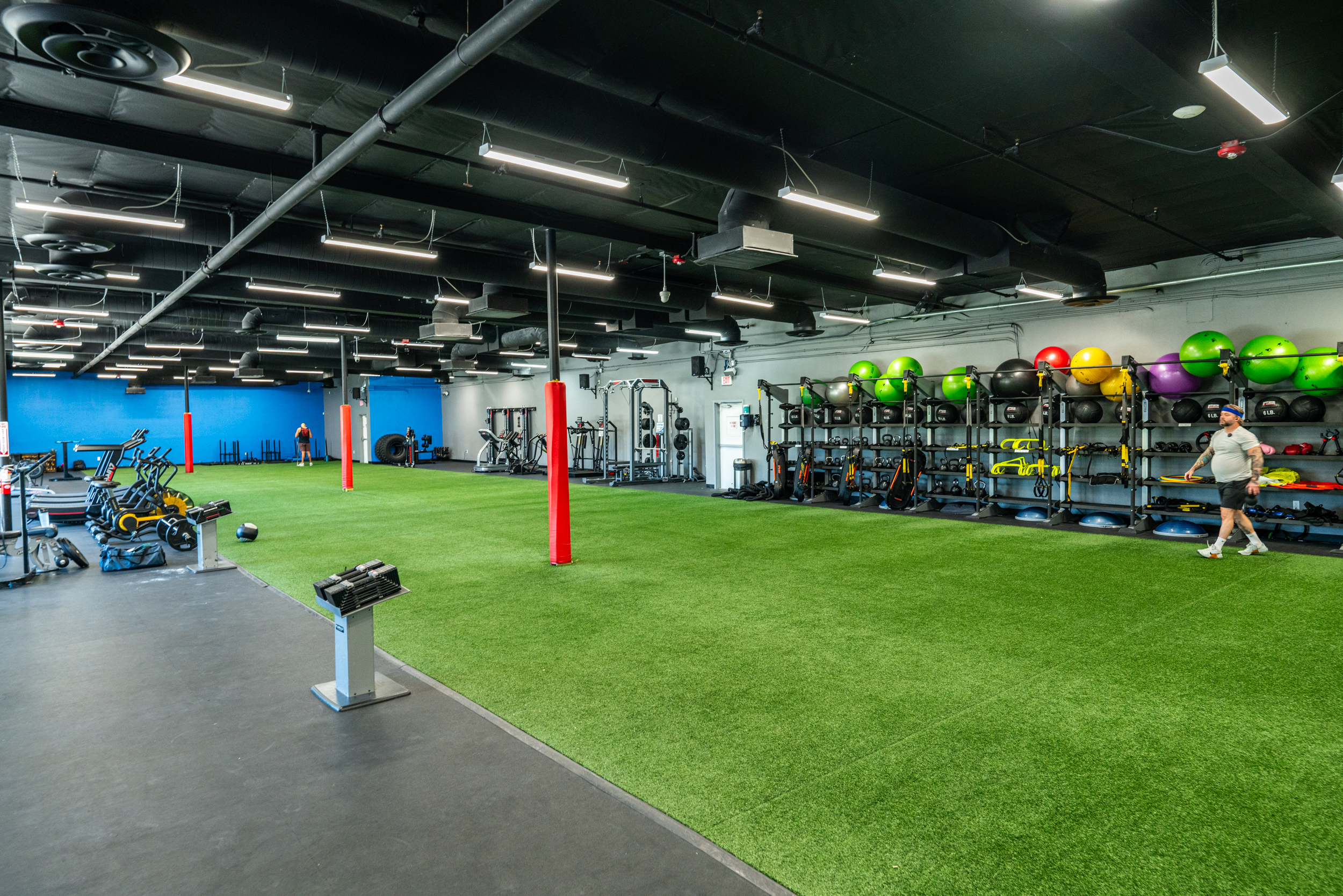
At Movement Fitness, the 50-yard indoor turf gives members a powerful space to train for strength, endurance, performance, fat loss, and better movement. Whether you are a beginner, athlete, personal training client, or experienced gym member, turf training can help you take your workouts to another level.
1. Use Sled Pushes for Strength and Conditioning
Sled pushes are one of the most effective movements you can do on the turf. They train your legs, glutes, core, shoulders, and lungs all at once.
Why It Works
Sled pushes are great because they combine strength and cardio. You can go lighter and faster for conditioning or heavier and slower for power. Either way, this movement helps build lower-body strength, endurance, and mental toughness.
2. Add Walking Lunges for Lower-Body Control
Walking lunges are simple, but they are extremely effective. They help build strength in your quads, hamstrings, glutes, and core while also improving balance and coordination.
How to Use Them
Start with bodyweight lunges. As you improve, add dumbbells, kettlebells, or a weighted vest. The turf gives you enough space to move naturally without feeling crowded.
3. Try Shuttle Runs for Cardio
Shuttle runs are a great way to improve conditioning, speed, and agility. They can be short, intense, and easy to adjust based on your fitness level.
Build Better Endurance
Use the turf to run short distances, touch the line, turn around, and repeat. This type of training challenges your heart rate, leg strength, and ability to change direction.
Beginners can start with shuttle walks or light jogs. Advanced members can increase speed, distance, or rounds.
4. Use Farmer’s Carries for Total-Body Strength
Farmer’s carries are one of the best full-body exercises for building strength and stability. All you need to do is pick up weights and walk with control.
Train Your Core and Grip
This movement works your grip, shoulders, core, legs, and posture. The turf gives you space to carry weight safely and focus on staying tall, controlled, and strong with every step.
5. Add Bear Crawls for Core and Coordination
Bear crawls may look basic, but they challenge your entire body. They train your shoulders, core, hips, legs, and coordination.
Move Better From Head to Toe
Bear crawls force your body to work as one unit. They are great for warming up, building core strength, or adding a challenging finisher to your workout.
Start slow and focus on control. Keep your back flat, core tight, and movement smooth.
6. Use Agility Drills for Athletic Movement
Turf training is perfect for agility work. You can use cones, lines, ladders, or open space to train quick feet, balance, coordination, and change of direction.
Great for Athletes and Everyday Members
You do not have to be a competitive athlete to benefit from agility training. Better footwork and body control can help anyone move with more confidence.
Try lateral shuffles, cone drills, sprint starts, backpedals, or quick direction changes.
7. Finish With a Turf Conditioning Circuit
A turf circuit is a great way to bring everything together. It can help improve strength, cardio, endurance, and mental toughness in one workout.
Sample Turf Circuit
Try 3 to 5 rounds of:
Sled push
Walking lunges
Farmer’s carries
Bear crawl
Shuttle run
Plank hold
Rest as needed and adjust the intensity to your fitness level.
Why Turf Training Works
Turf training helps you train in ways that traditional machines cannot always provide. It allows you to move more naturally, use multiple muscle groups, and challenge your body through space.
At Movement Fitness in Las Vegas, the 50-yard indoor turf gives members the room to train with purpose. You can use it for strength, cardio, agility, athletic performance, mobility, and functional fitness.
Make Turf Training Part of Your Routine
You do not need to use the turf for every workout. Even adding one or two turf movements can make your routine more effective and more engaging.
Use sled pushes after leg day. Add carries to your full-body workout. Try shuttle runs for cardio. Include bear crawls in your warm-up. The more you learn how to use the turf, the more options you have.
Final Takeaway
Turf training is a game changer because it gives you space to move, train harder, and build a more complete body. It can help improve strength, conditioning, agility, balance, coordination, and confidence.
If your workouts feel repetitive, the turf can help bring new energy back into your routine. Start simple, move with control, and keep building from there.

The Best Beginner Leg Day Workout
Build Strong Legs From the Ground Up
Leg day can feel intimidating when you are new to the gym, but it does not have to be complicated. A good beginner leg workout should help you build strength, improve balance, learn proper form, and feel more confident with lower-body training.
At Movement Fitness, beginners have access to the space, equipment, turf, and supportive gym environment needed to train safely and build momentum. Whether your goal is fat loss, strength, athletic performance, or simply feeling better, leg training is one of the most important parts of a complete fitness routine.
Why Leg Day Matters
Your legs are involved in almost everything you do. Walking, climbing stairs, standing, lifting, running, and moving through daily life all require lower-body strength.
A strong lower body can help improve posture, balance, mobility, athletic movement, and overall confidence. Leg training also works large muscle groups, which can support calorie burn and total-body strength.
Strong Legs Support Real Life
Leg day is not just about building muscle. It is about building a body that moves better. When your legs, glutes, hamstrings, and core get stronger, everyday movement becomes easier and more efficient.
Start With a Proper Warm-Up
Before you begin lifting, take time to warm up. A good warm-up helps increase blood flow, prepare your joints, and reduce stiffness before training.
Beginner Leg Day Warm-Up
Start with 5 to 10 minutes of light cardio. You can walk on the treadmill, use the bike, or do easy movement on the turf.
Then complete:
Bodyweight squats
Hip circles
Walking lunges
Glute bridges
Leg swings
Ankle mobility
Keep the warm-up controlled and comfortable. The goal is to prepare your body, not tire yourself out.
Beginner Leg Day Workout
This workout is designed for beginners who want a simple, effective lower-body routine. Focus on form first. Use light to moderate weight and move with control.
1. Bodyweight or Goblet Squats
Squats are one of the best beginner leg exercises because they train the quads, glutes, hamstrings, and core.
Start with bodyweight squats. Once you feel comfortable, hold a dumbbell or kettlebell for goblet squats.
Complete 2 to 3 sets of 8 to 12 reps.
2. Leg Press
The leg press is a beginner-friendly machine that helps build lower-body strength while giving you more support than a free-weight squat.
Keep your feet flat, control the movement, and avoid locking your knees at the top.
Complete 2 to 3 sets of 10 to 12 reps.
3. Dumbbell Romanian Deadlifts
Romanian deadlifts help strengthen the hamstrings, glutes, and lower back. This movement also teaches you how to hinge properly at the hips.
Keep your back flat, knees slightly bent, and weights close to your legs.
Complete 2 to 3 sets of 8 to 10 reps.
4. Step-Ups
Step-ups are great for building leg strength, balance, and coordination. They also train each leg individually, which can help improve stability.
Use a low box or bench to start. Step up with control and avoid pushing off too hard with the back foot.
Complete 2 sets of 8 to 10 reps per leg.
5. Glute Bridges
Glute bridges are simple but effective. They help activate and strengthen the glutes, which are important for lower-body strength, posture, and hip stability.
Squeeze your glutes at the top and keep the movement controlled.
Complete 2 to 3 sets of 10 to 15 reps.
6. Seated or Standing Calf Raises
Calf raises help strengthen the lower legs and support ankle stability.
Move slowly, rise onto your toes, pause at the top, and lower with control.
Complete 2 to 3 sets of 12 to 15 reps.
Add Light Turf Work
One of the best features at Movement Fitness in Las Vegas is the 50-yard indoor turf. Beginners can use the turf to add simple movement and conditioning after leg training.
Beginner Turf Finisher
Try 2 to 3 rounds of:
Walking lunges
Light sled push
Farmer’s carries
Shuttle walks
Keep the pace manageable. This finisher should challenge you without overwhelming your body.
Beginner Leg Day Tips
Leg day should feel challenging, but it should not leave you unable to move for days. Start slow and build gradually.
Focus on These Basics
Use good form.
Start with lighter weight.
Do not rush the reps.
Rest when needed.
Warm up before lifting.
Stretch after training.
Increase weight slowly over time.
The goal is steady progress, not instant exhaustion.
How Often Should Beginners Train Legs?
Most beginners can train legs 1 to 2 times per week. If you are doing full-body workouts, your legs may already be getting trained multiple times throughout the week.
Give your body time to recover between lower-body sessions. Recovery helps your muscles rebuild and get stronger.
Recovery After Leg Day
After leg day, your body needs hydration, protein, sleep, and movement. Light walking, stretching, and mobility work can help reduce stiffness and keep you moving well.
Simple Recovery Routine
After your workout, spend 5 to 10 minutes stretching your quads, hamstrings, glutes, calves, and hips. Drink water and eat a balanced meal with protein and carbohydrates to support recovery.
Start Strong at Movement Fitness
The best beginner leg day workout is simple, structured, and realistic. You do not need to do every machine in the gym. You need a few effective exercises done with good form and consistency.
At Movement Fitness, beginners have the space, equipment, turf, and community to build strength from the ground up.
Start where you are, move with purpose, and keep getting stronger one workout at a time.