HYROX Training: Why Everyone Is Talking About This Fitness Trend
The Fitness Trend Built for Strength and Endurance
HYROX training has become one of the biggest conversations in fitness because it combines two things people want most: strength and conditioning. It is not just about lifting weights. It is not just about running. It is a hybrid style of training that challenges your entire body.
At Movement Fitness, this type of training fits perfectly with the way members already move, train, and push themselves. With strength equipment, cardio options, functional training space, and a 50-yard indoor turf, Movement Fitness gives members the tools to train for performance, endurance, and full-body results.
What Is HYROX Training?
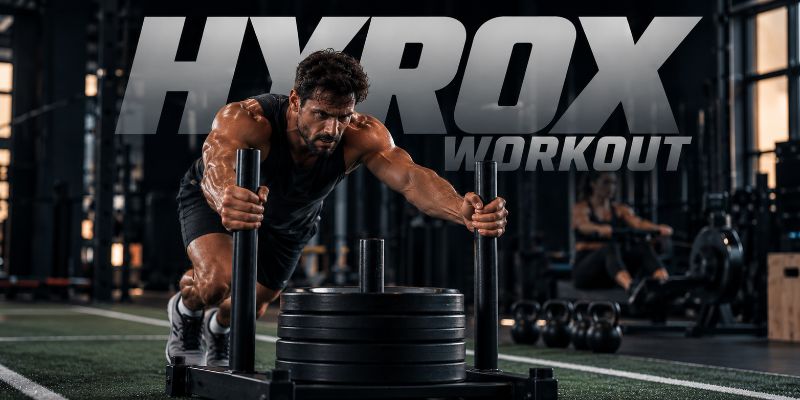
HYROX is an indoor fitness race that combines running with functional workout stations. The official race format includes eight 1-kilometer runs, with one functional workout station after each run. That structure creates a mix of endurance, strength, power, and mental toughness.
Why People Like It
People are drawn to HYROX because it feels measurable, challenging, and competitive. Unlike random workouts, the format is consistent, which means athletes and gym members can track progress, compare times, and train with a clear goal.
For everyday gym members, HYROX-style training is also appealing because it uses movements that feel practical: pushing, pulling, carrying, lunging, rowing, and running.
Why HYROX Training Is So Popular
HYROX has grown because it gives people a new way to train. Many gym members are looking for more than traditional weightlifting or steady cardio. They want workouts that feel athletic, intense, structured, and goal-driven.
It Combines Strength and Cardio
One reason HYROX-style training stands out is because it blends strength and endurance in the same workout. You need the lungs to keep moving and the strength to push, pull, carry, and finish each station.
That combination makes the workout feel complete.
Why Movement Fitness Is Built for HYROX-Style Training
A strong HYROX-style workout needs space. It also needs the right equipment and enough room to move safely. That is where Movement Fitness stands out.
The 50-yard indoor turf is ideal for sled pushes, walking lunges, farmer’s carries, shuttle runs, bear crawls, mobility work, and conditioning circuits. These movements match the style of training that makes HYROX so effective.
Turf Training Makes a Difference
Turf training allows members to move beyond machines. You can push, pull, run, crawl, carry, and condition your body in a more athletic way.
That is why HYROX-style training works so well inside Movement Fitness. The facility gives members the space to train hard while still building structure into their workouts.
Who Should Try HYROX Training?
HYROX-style training is not only for elite athletes. It can be modified for many fitness levels. Beginners can start with lighter loads, shorter distances, and slower pacing. More advanced members can increase weight, speed, distance, and intensity.
Great for Different Goals
HYROX-style training can support:
Fat loss
Endurance
Strength
Athletic performance
Mental toughness
Full-body conditioning
Better movement
The key is starting at the right level and progressing over time.
Example HYROX-Style Workout
You do not need to do a full race simulation to benefit from this training style. You can start with a shorter workout and build from there.
Beginner-Friendly Circuit
Try 3 to 4 rounds of:
400-meter run or treadmill walk
Sled push
Farmer’s carries
Walking lunges
Row or bike
Plank hold
Rest as needed and focus on good form.
Advanced Circuit
Try 5 to 6 rounds of:
800-meter run
Heavy sled push
Sled pull or cable row
Burpee broad jumps
Farmer’s carries
Sandbag lunges
Wall balls or medicine ball squats
This type of workout challenges strength, lungs, pacing, and mental focus.
Why Pacing Matters
HYROX-style training is not just about going as hard as possible from the start. Pacing matters. If you burn out too early, your form and performance can drop quickly.
Train Smarter, Not Just Harder
A smart approach includes controlled running, steady breathing, efficient movement, and strong transitions between exercises. The goal is to stay consistent across the entire workout, not just dominate the first few minutes.
Build Strength Before Increasing Intensity
Because HYROX-style workouts can be demanding, it is important to build a foundation first. Strength training, mobility, recovery, and proper technique should be part of the plan.
At Movement Fitness in Las Vegas, members can combine traditional strength training with turf conditioning to build a more complete routine.
Final Takeaway
HYROX training is popular because it is challenging, structured, and effective. It gives people a reason to train harder, measure progress, and build both strength and endurance.
Movement Fitness is built for this kind of training. With turf space, strength equipment, cardio options, and a performance-focused environment, members have everything they need to start training with purpose.
Whether you are preparing for a HYROX event or just want a workout that pushes your whole body, HYROX-style training is a powerful way to move better, get stronger, and improve conditioning.


Should You Work Out Every Day? The Answer May Surprise You
More Workouts Do Not Always Mean Better Results
A lot of people believe that working out every day is the fastest way to get results. It sounds logical: the more you train, the faster you improve. But fitness does not always work that way.
Your body needs movement, but it also needs recovery. Training hard every single day without rest can lead to soreness, fatigue, burnout, poor performance, and slower progress.
At Movement Fitness, we believe the best workout routine is not always the most extreme one. It is the one you can follow consistently while giving your body what it needs to get stronger, healthier, and more capable.
Should You Work Out Every Day?
The answer depends on what you mean by “work out.”
You probably should not do intense strength training, heavy lifting, hard cardio, or high-intensity conditioning every single day. Your muscles, joints, nervous system, and energy levels need time to recover.
But that does not mean you need to sit still on rest days. Light movement, walking, stretching, mobility work, or an easy recovery session can be helpful.
Daily Movement Is Different From Daily Intense Training
There is a big difference between moving every day and training hard every day.
Moving every day can support health, energy, circulation, and consistency. Training hard every day can wear your body down if you are not recovering properly.
Why Recovery Matters
Recovery is when your body repairs and adapts. When you strength train, your muscles experience stress. When you recover, your body rebuilds and gets stronger.
If you never give your body time to recover, your workouts may start feeling harder, your energy may drop, and your results may slow down.
Signs You May Need More Rest
You may need more recovery if you notice:
Constant soreness
Low energy
Poor sleep
Decreased strength
Lack of motivation
Irritability
Slower progress
Joint discomfort
These are signs that your body may need rest, not another hard workout.
How Many Days a Week Should You Train?
Most people can see strong results with 3 to 5 structured workouts per week. The right number depends on your goal, schedule, fitness level, and recovery.
Beginner Schedule
If you are new to the gym, start with 3 workouts per week.
Example:
Monday: Full-body strength
Wednesday: Cardio and mobility
Friday: Full-body strength
This gives your body time to adjust while still building consistency.
Intermediate Schedule
If you already train consistently, 4 to 5 days per week may work well.
Example:
Monday: Upper body
Tuesday: Lower body
Wednesday: Cardio or mobility
Thursday: Full-body strength
Friday: Turf conditioning
Saturday: Recovery
Sunday: Rest
At Movement Fitness in Las Vegas, members have the equipment, turf, cardio options, and space to build a balanced routine that includes strength, conditioning, mobility, and recovery.
What Should You Do on Rest Days?
Rest days do not have to mean doing nothing. In fact, light activity can help your body feel better and keep your routine consistent.
Good Rest Day Options
Try:
Walking
Stretching
Mobility work
Light cycling
Easy treadmill work
Foam rolling
Breathing exercises
Gentle turf movement
The goal is to recover, not push your body harder.
When Daily Workouts Can Work
Some people can train every day if they manage intensity properly. For example, someone may lift three days per week, walk daily, stretch on recovery days, and do light cardio on another day.
That is very different from doing intense workouts seven days a week.
Balance Intensity
A smart weekly routine includes hard days, moderate days, light days, and rest. This balance helps you stay consistent without burning out.
Why More Is Not Always Better
Training too much can slow results because your body never gets the chance to rebuild. More workouts do not automatically mean more fat loss, more muscle, or better performance.
Quality matters more than quantity.
Train With Purpose
Instead of asking, “How can I work out every day?” ask, “How can I train smarter this week?”
A smart routine should include:
Strength training
Cardio
Mobility
Recovery
Good nutrition
Enough sleep
That combination creates better long-term results than simply doing more workouts.
Listen to Your Body
Your body gives you feedback. If you feel strong, energized, and motivated, your routine may be working well. If you feel tired, sore, stiff, or unmotivated all the time, you may need to adjust.
Progress Should Feel Sustainable
A good workout plan should challenge you, but it should not break you down every week. The goal is to build a routine you can maintain for months and years, not just a few days.
Final Takeaway
You do not need to work out hard every day to see results. For most people, 3 to 5 structured workouts per week, combined with daily movement and proper recovery, is a better approach.
At Movement Fitness, members have the tools, space, turf, and community to train with purpose. Whether your goal is strength, fat loss, athletic performance, or better overall health, the key is balance.
Move daily. Train smart. Recover well. Keep showing up.
How Much Protein Do You Actually Need to Build Muscle?
Protein Matters, But More Is Not Always Better
If your goal is to build muscle, protein matters. It helps your body repair, recover, and rebuild after strength training. But one of the most common questions people have is: how much protein do you actually need?
The answer depends on your body, your goals, your workouts, and how consistent you are with your overall nutrition.
At Movement Fitness, we believe building muscle takes more than just lifting weights. It takes smart training, proper recovery, consistent nutrition, and enough protein to support the work you are putting in.
Why Protein Is Important for Muscle Growth
When you lift weights, train hard, or push through a full-body workout, your muscles experience stress. Protein helps repair that muscle tissue and supports growth over time.
Protein Supports Recovery
Without enough protein, your body may struggle to recover from workouts. You may feel sore longer, have less energy, or find it harder to build strength and muscle.
Protein is not magic, but it is one of the key building blocks your body needs to make progress.
How Much Protein Do You Need?
A common goal for people trying to build muscle is to eat about 0.7 to 1 gram of protein per pound of body weight per day. For example, someone who weighs 180 pounds may aim for roughly 126 to 180 grams of protein per day.
That does not mean everyone needs the highest amount. Beginners, casual gym members, and people focused on general health may do well on the lower end. People training hard, lifting consistently, or trying to build muscle may need more.
Keep It Realistic
The best protein target is one you can actually follow. If your current intake is low, do not feel like you need to double it overnight. Start by adding more protein to each meal and build from there.
Best Protein Sources for Building Muscle
You can get protein from many different foods. The key is choosing options that fit your lifestyle and are easy to repeat.
Good Protein Options
Chicken
Turkey
Eggs
Fish
Lean beef
Greek yogurt
Cottage cheese
Protein powder
Tofu
Beans
Lentils
Milk
Protein smoothies
You do not need to eat the same thing every day. Variety makes it easier to stay consistent.
Should You Eat Protein Before or After a Workout?
Protein timing can help, but total daily protein matters most. If you are eating enough protein throughout the day, you are already supporting muscle growth and recovery.
That said, having protein before or after a workout can be helpful, especially if you have not eaten in several hours.
Simple Workout Nutrition Tip
Before training, choose something light that gives you energy, such as fruit with Greek yogurt, toast with eggs, or a protein smoothie.
After training, focus on protein and carbohydrates to help your body recover. A meal with chicken and rice, eggs and toast, Greek yogurt and fruit, or a protein smoothie can all work well.
Protein and Strength Training Work Together
Eating protein alone will not build muscle. Your body needs a reason to grow. That reason comes from strength training.
At Movement Fitness in Las Vegas, members have access to strength equipment, functional training space, cardio options, and a 50-yard indoor turf to support a complete workout routine.
Train With Progression
To build muscle, your workouts should gradually become more challenging over time. That may mean adding weight, doing more reps, improving your form, increasing sets, or training with better control.
Protein supports the process, but your workouts create the demand.
Do You Need Protein Powder?
Protein powder can be helpful, but it is not required. It is simply a convenient way to increase protein intake when whole foods are not available or when you are short on time.
Use It as a Tool
If you can get enough protein from food, great. If you struggle to hit your target, a protein shake or smoothie can make it easier.
The goal is not to rely on supplements. The goal is to meet your nutrition needs consistently.
Do Not Forget Calories
If you want to build muscle, protein is important, but total calories matter too. If you are not eating enough overall, it can be harder to gain muscle.
Fuel the Work
Muscle growth requires training, protein, recovery, and enough energy. If you are constantly undereating, your body may not have the fuel it needs to recover and grow.
If your goal is fat loss and muscle building at the same time, focus on protein, strength training, and steady progress instead of extreme dieting.
Common Protein Mistakes
Many people slow down their muscle-building progress because they are inconsistent with protein.
Mistakes to Avoid
Eating very little protein during the day
Only focusing on protein after workouts
Skipping meals
Relying only on supplements
Not eating enough total food
Training hard but ignoring recovery
Small improvements can make a big difference over time.
Build Muscle the Smart Way
The best muscle-building plan is simple: train consistently, eat enough protein, fuel your body, recover well, and stay patient.
At Movement Fitness, members have the equipment, turf, space, and community to train with purpose and build a stronger body over time.
Final Takeaway
Most people trying to build muscle should focus on getting enough protein every day, not just after workouts. A good target is about 0.7 to 1 gram of protein per pound of body weight, depending on your goals and training level.
Combine that with strength training, proper recovery, and consistent nutrition, and you give your body a much better chance to build muscle and get stronger.

Is Walking Enough to Lose Weight? Here’s What You Need to Know
Walking Is a Great Start
Walking is one of the easiest and most accessible ways to start moving more. You do not need special equipment, advanced experience, or a complicated routine. For many people, walking is the first step toward better health, more energy, and weight loss.
But is walking enough to lose weight?
The answer is: it can help, but it depends on your overall habits.
At Movement Fitness, we believe weight loss is built through consistency, movement, strength training, nutrition, and recovery. Walking can be a powerful part of that plan, but it usually works best when combined with a complete fitness routine.
How Walking Helps With Weight Loss
Walking helps increase daily movement, burn calories, improve heart health, reduce stress, and build consistency. It is especially helpful for beginners, people returning to fitness, or anyone who wants a lower-impact way to stay active.
Small Steps Add Up
You do not need to start with long walks every day. Even short walks can make a difference when done consistently. A 10-minute walk after meals, a walk during lunch, or extra steps throughout the day can help increase your overall activity.
The key is making walking a regular part of your lifestyle.
Walking Alone May Not Be Enough
Walking can support weight loss, but it may not be enough by itself if nutrition, strength training, and consistency are not in place.
Weight loss usually requires a calorie deficit, which means your body is using more energy than you consume over time. Walking can help with that, but food choices, portion sizes, and daily habits still matter.
Nutrition Still Matters
If you walk every day but consistently eat more calories than your body needs, weight loss may not happen. That does not mean walking is useless. It simply means walking is one piece of the bigger picture.
Focus on protein, whole foods, water, fruits, vegetables, and better portion control.
Why Strength Training Should Be Included
If your goal is to lose weight and change your body composition, strength training is important. Walking helps burn calories, but strength training helps build and maintain muscle.
Muscle Helps Your Body Work Better
Muscle supports metabolism, posture, strength, balance, and long-term health. When you combine walking with strength training, you create a more complete approach to weight loss.
At Movement Fitness in Las Vegas, members have access to strength equipment, functional training areas, cardio options, and a 50-yard indoor turf to support both walking-based movement and structured workouts.
How Often Should You Walk?
A good goal for many people is to walk most days of the week. The exact amount depends on your schedule, fitness level, and goals.
Beginner Walking Plan
Start with:
10 to 20 minutes per day
3 to 5 days per week
Comfortable pace
Gradual increases over time
As your fitness improves, you can walk longer, increase your pace, or add incline.
How to Make Walking More Effective
Walking does not have to stay the same forever. You can make it more challenging as your body adapts.
Ways to Increase Intensity
Try adding:
Incline walking
Longer distances
Faster pace
Intervals
Turf walking drills
Weighted carries
More daily steps
Small changes can help your body continue improving.
Walking Plus Gym Training
Walking is great for general movement, but gym training can help you build strength, improve conditioning, and create a more balanced routine.
Simple Weekly Plan
Try this structure:
Monday: Full-body strength
Tuesday: Walk
Wednesday: Cardio and mobility
Thursday: Full-body strength
Friday: Walk
Saturday: Turf conditioning or longer walk
Sunday: Rest or light movement
This type of plan combines walking, strength, recovery, and conditioning.
Do Not Underestimate Daily Movement
Many people only focus on formal workouts, but daily movement matters. Walking helps increase activity outside the gym, which can support weight loss and overall health.
More Movement Means More Momentum
Taking more steps, parking farther away, walking during phone calls, taking the stairs, or adding short walks after meals can all help increase your daily movement.
These small habits are simple, but they can add up over time.
Walking Is Also Good for Beginners
If you feel out of shape, walking is one of the best ways to start. It is low-impact, easy to control, and less intimidating than jumping into intense workouts right away.
Build Confidence First
Walking can help you build momentum before adding more structured gym workouts. Once you feel more confident, you can add strength training, mobility work, and conditioning.
Final Takeaway
Walking can absolutely help with weight loss, especially when it is done consistently and combined with better nutrition. But for the best results, walking should be part of a complete plan that includes strength training, recovery, and smart food choices.
At Movement Fitness, members have the space, equipment, turf, and community to build a routine that fits their goals.
Start with walking. Build consistency. Add strength. Improve nutrition. Keep moving forward.