Feel Stiff All the Time? Your Workout May Be Missing Mobility Training
Stiffness Is a Sign Your Body Needs More Than Exercise
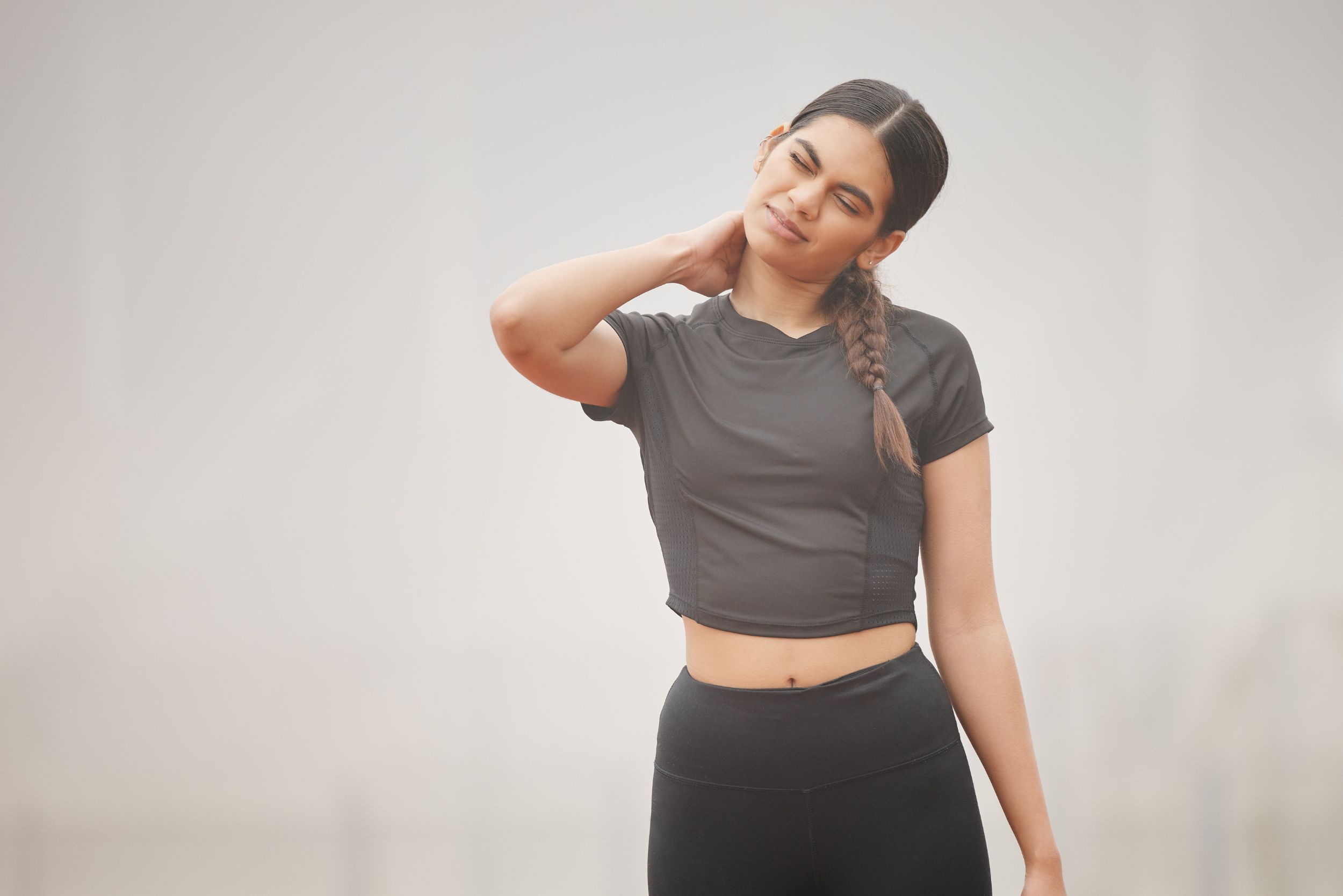
If you feel stiff all the time, your body may be trying to tell you something. Many people work out consistently but still feel tight in their hips, back, shoulders, hamstrings, or neck. The problem may not be lack of effort. It may be that your routine is missing mobility training.
At Movement Fitness, fitness is about more than lifting weights or doing cardio. It is about helping your body move better, feel stronger, and perform better in everyday life.
What Is Mobility Training?
Mobility training is focused on improving how well your joints move through their full range of motion. It combines flexibility, control, strength, and movement quality.
Stretching can help lengthen tight muscles, but mobility training teaches your body how to move better with control. That makes it an important part of a complete workout routine.
Mobility vs. Flexibility
Flexibility is how far a muscle can stretch. Mobility is how well you can control movement through that range.
For example, being able to touch your toes is flexibility. Being able to squat, lunge, rotate, and move comfortably with control is mobility.
Both matter, but mobility is what helps your body perform better during workouts and daily activities.
Why You Feel Stiff
Stiffness can come from many things. Sitting too much, training without proper warm-ups, skipping recovery, poor posture, lack of movement, and repetitive workouts can all make your body feel tight.
If you lift weights but never work on mobility, your joints may feel restricted. If you do cardio but never stretch or move through full ranges of motion, your body may still feel locked up.
Common Tight Areas
Many people feel stiffness in the:
Hips
Hamstrings
Lower back
Shoulders
Neck
Ankles
Upper back
These areas often get tight from sitting, stress, poor posture, and limited movement during the day.
Why Mobility Training Matters
Mobility training helps your body move more efficiently. When your joints move better, your workouts can feel smoother, safer, and more effective.
Better mobility can help improve squats, lunges, presses, deadlifts, running mechanics, turf training, and everyday movement.
Move Better, Train Better
If your hips are tight, your squats may feel uncomfortable. If your shoulders are stiff, pressing movements may feel limited. If your ankles lack mobility, lunges and lower-body exercises may feel harder than they should.
Adding mobility work can help your body get into better positions, which can support better form and better results.
Mobility Helps With Recovery
Mobility training is not only for warm-ups. It can also help with recovery. Light mobility work after training can reduce stiffness, improve circulation, and help your body feel better between workouts.
Recovery Is Part of Progress
Training hard is important, but recovering well is what allows you to keep improving. If you are always sore, stiff, or tight, your body may need more movement quality and recovery work.
Simple Mobility Exercises to Add
You do not need a complicated routine to start. Even 5 to 10 minutes of mobility work can make a difference when done consistently.
Beginner Mobility Routine
Try adding:
Hip openers
World’s greatest stretch
Cat-cow stretch
Thoracic rotations
Ankle mobility rocks
Shoulder circles
Hamstring sweeps
Deep squat holds
Move slowly, breathe, and stay in control. Do not force painful positions.
When Should You Do Mobility Training?
Mobility can be done before a workout, after a workout, or on recovery days.
Before training, mobility helps prepare your body for movement. After training, it helps you cool down and reduce stiffness. On rest days, it helps keep your body moving without adding too much stress.
Easy Weekly Plan
Try this simple approach:
Before workouts: 5 minutes of dynamic mobility
After workouts: 5 minutes of stretching and breathing
Recovery days: 10 to 15 minutes of light mobility
Small amounts done consistently can create better long-term results.
Use the Turf for Better Movement
One of the best features at Movement Fitness in Las Vegas is the 50-yard indoor turf. The turf gives members space to move, stretch, lunge, crawl, carry, and work on better movement patterns.
Turf Mobility Ideas
You can use the turf for:
Walking lunges
Bear crawls
Hip mobility drills
Shuttle walks
Dynamic warm-ups
Loaded carries
Stretching flows
The turf gives you room to move naturally instead of feeling stuck in one small area.
Do Not Wait Until You Are in Pain
Many people only think about mobility after they are already uncomfortable. A better approach is to make mobility part of your normal routine before stiffness becomes a bigger problem.
Prevention Beats Frustration
If you want to train consistently, your body needs to move well. Mobility training can help you feel better, improve your workouts, and stay active longer.
Final Takeaway
If you feel stiff all the time, your workout may be missing mobility training. Strength and cardio matter, but mobility helps your body move better, recover better, and train with better form.
At Movement Fitness, members have the space, equipment, turf, and community to build a complete routine that supports strength, conditioning, mobility, and long-term health.
Start small. Move with control. Stay consistent. Your body will thank you.

What Should You Eat Before and After a Workout?
Fuel Your Body for Better Results
What you eat before and after a workout can make a major difference in how you feel, how you perform, and how well you recover. Training hard is important, but your body also needs the right fuel to support energy, strength, endurance, and muscle recovery.
At Movement Fitness, we believe fitness is about more than just showing up. It is about building smart habits that help you move better, feel stronger, and stay consistent with your goals.
Why Workout Nutrition Matters
Your body uses energy during every workout. Whether you are lifting weights, training on the turf, doing cardio, taking a class, or working with a coach, your muscles need fuel to perform.
If you do not eat enough before training, you may feel tired, weak, lightheaded, or unable to push through your workout. If you do not refuel after training, your recovery may suffer.
Food Supports Performance and Recovery
The right nutrition can help support:
Energy during workouts
Muscle recovery
Strength development
Endurance
Hydration
Better consistency
Overall progress
You do not need a perfect diet. You need simple, consistent choices that support your training.
What to Eat Before a Workout
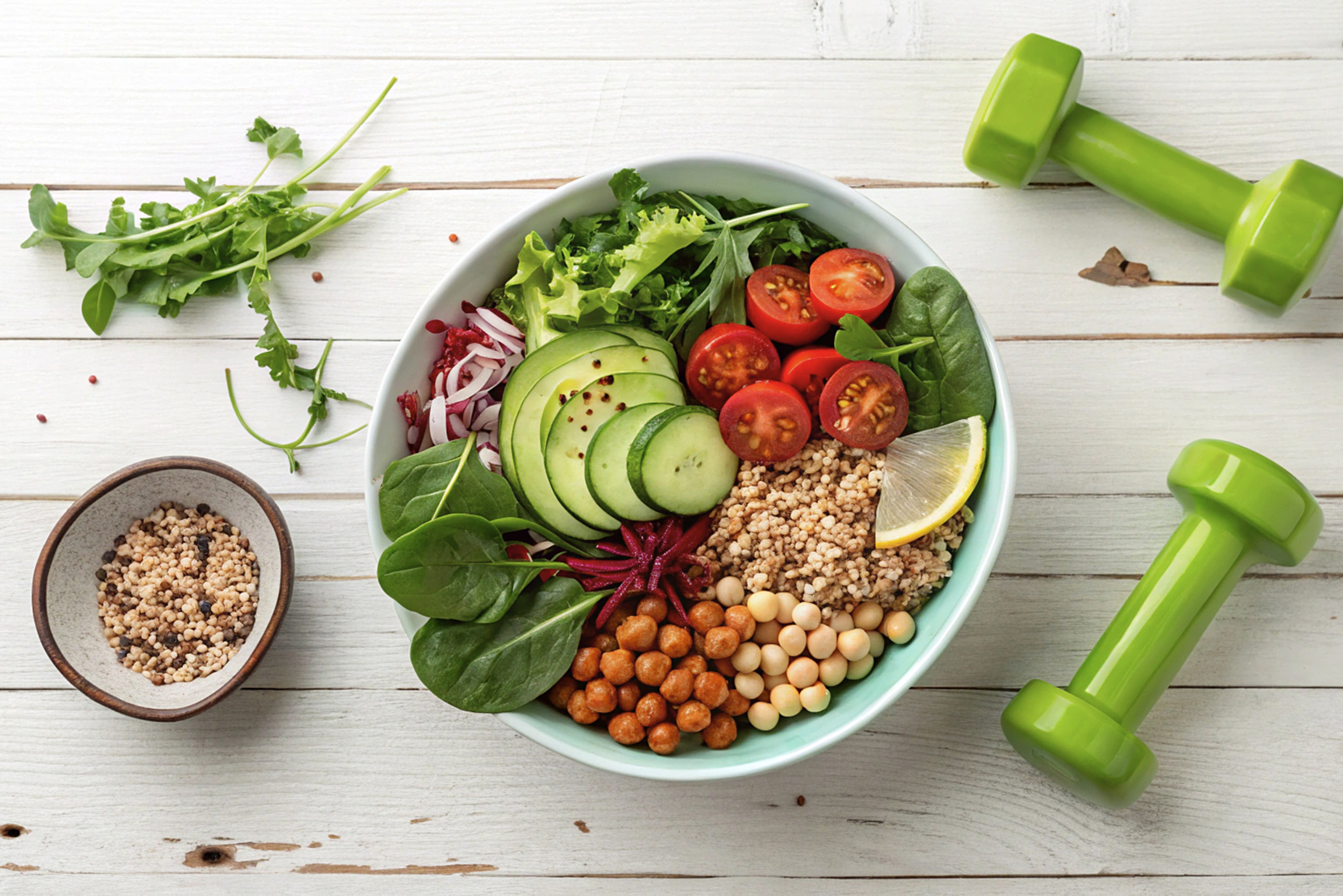
Before a workout, the goal is to give your body enough energy without feeling too full or uncomfortable. A good pre-workout meal or snack usually includes carbohydrates for energy and some protein for muscle support.
Good Pre-Workout Options
Try simple options like:
Banana with peanut butter
Greek yogurt with berries
Oatmeal with fruit
Toast with eggs
Rice cakes with almond butter
Protein smoothie with fruit
Chicken and rice if eating earlier
The best choice depends on your schedule, your stomach, and the type of workout you are doing.
When Should You Eat Before Training?
Timing matters. If you are eating a larger meal, give your body more time to digest. If you are eating close to your workout, keep it lighter.
Simple Timing Guide
A full meal is usually better 2 to 3 hours before training. A smaller snack can work 30 to 60 minutes before your workout.
For example, if you are training after work, you may eat lunch earlier and then have a small snack before heading to the gym. If you train early in the morning, you may prefer something light like a banana, protein shake, or piece of toast.
What to Avoid Before a Workout
Some foods can make training uncomfortable, especially if eaten too close to your session. Heavy, greasy, or very high-fat meals can slow digestion and make you feel sluggish.
Keep It Simple Before Training
Avoid overdoing:
Fried foods
Heavy fast food
Large meals right before training
Too much sugar
Foods that upset your stomach
Brand-new foods before a hard workout
Your pre-workout meal should help you feel energized, not weighed down.
What to Eat After a Workout
After training, your body needs nutrients to recover. A good post-workout meal should include protein to support muscle repair and carbohydrates to help restore energy.
Good Post-Workout Options
Try meals or snacks like:
Grilled chicken with rice and vegetables
Eggs with toast and fruit
Greek yogurt with granola
Protein smoothie with banana
Turkey wrap
Salmon with sweet potato
Lean beef with potatoes and vegetables
The goal is to refuel your body and support recovery so you feel ready for your next workout.
Why Protein Matters After Training
Protein helps your muscles repair and rebuild after exercise. This is especially important after strength training, full-body workouts, turf conditioning, or intense cardio sessions.
Simple Protein Sources
Good protein options include:
Chicken
Turkey
Eggs
Fish
Lean beef
Greek yogurt
Protein powder
Tofu
Beans
Cottage cheese
You do not need to make it complicated. Just aim to include protein consistently throughout the day.
Why Carbs Matter Too
Carbohydrates often get blamed, but they are important for training. Carbs help fuel your workouts and restore energy afterward.
Smart Carbohydrate Options
Good options include:
Rice
Potatoes
Oats
Fruit
Whole-grain toast
Pasta
Quinoa
Beans
If you are training hard, doing turf work, lifting weights, or doing cardio, carbohydrates can help you perform and recover better.
Do Not Forget Hydration
Water plays a major role in energy, performance, digestion, and recovery. Even mild dehydration can make workouts feel harder than they need to be.
Hydration Tips
Drink water throughout the day, not just during your workout. If you sweat heavily or train for a long time, you may also benefit from electrolytes.
At Movement Fitness in Las Vegas, whether you are training on the 50-yard indoor turf, lifting weights, or doing cardio, hydration should always be part of your routine.
Smoothies Can Be a Smart Option
A smoothie can be a convenient way to fuel before or after a workout. It is easy to drink, quick to digest, and simple to customize based on your goals.
Simple Smoothie Ideas
For energy before training, try fruit, protein, and a light liquid base.
For recovery after training, try protein powder, banana, oats, peanut butter, and milk or almond milk.
Smoothies can be especially helpful when you are busy or do not feel like eating a full meal right away.
Match Your Food to Your Goal
Your nutrition should support your goal. If you want to lose fat, focus on protein, whole foods, hydration, and portion control. If you want to build muscle, make sure you are eating enough protein, carbohydrates, and total calories. If you want better performance, fuel your body before hard sessions and recover properly afterward.
Consistency Beats Perfection
You do not need to eat perfectly every day to get results. You need habits you can repeat. Small improvements with food, water, training, and recovery can lead to major changes over time.
Final Takeaway
What you eat before and after a workout matters. Before training, focus on energy and foods that digest well. After training, focus on protein, carbohydrates, hydration, and recovery.
At Movement Fitness, members have the space, equipment, turf, coaching, and community to train with purpose. When you combine smart workouts with smart nutrition, you give yourself a better chance to feel stronger, recover faster, and stay consistent.