
Cardio or Weights First? What New Members Should Know
The order of your workout matters more than you think.
It’s one of the most common questions we hear, and the answer depends on your goal.
If you want to get stronger or build muscle, lift first while your energy and focus are high, then finish with 10 to 20 minutes of cardio. If you’re training for a run, a race or endurance events, do your cardio first so your legs and lungs are fresh.
For most beginners chasing general health, a simple split works well: a 5-minute warm-up, 25 to 30 minutes of strength training, then 15 minutes of steady cardio on the bike, rower or treadmill. Health guidelines recommend at least 150 minutes of moderate activity each week plus two days of strength training, and this structure covers both.
You can also split them into separate days, such as strength on Monday, Wednesday and Friday and cardio on Tuesday and Thursday. The best order is the one you’ll stick with. Not sure which camp you’re in? At Movement Fitness whatever you choose, warm up first, cool down after and track how you feel.


Body Recomposition: Can You Lose Fat and Build Muscle at the Same Time?
Can You Really Lose Fat and Build Muscle Together?
Most people believe they must choose between losing weight and building muscle. But what if you could do both?
This process is called body recomposition, and it focuses on reducing body fat while increasing or maintaining lean muscle mass.
At Movement Fitness, members have access to strength equipment, cardio machines, and a 50-yard indoor turf to support a balanced fitness routine.
What Is Body Recomposition?
Body recomposition is about changing your body’s muscle-to-fat ratio rather than focusing only on the number on the scale.
Why the Scale Doesn’t Tell the Whole Story
You might lose fat while gaining muscle, causing your weight to stay relatively stable. However, your clothes may fit differently, your strength may improve, and your body may look more defined.
This is why tracking progress beyond body weight matters.
1. Make Strength Training Your Priority
Resistance training is one of the most important parts of body recomposition. It provides the stimulus your muscles need to grow while helping preserve muscle during fat loss.
Focus on Compound Exercises
Build your workouts around movements such as:
- Squats and deadlifts
- Bench presses and rows
- Lunges and shoulder presses
- Lat pulldowns and core exercises
Aim for two to four strength sessions weekly, depending on your experience and recovery.
2. Eat Enough Protein
Protein supports muscle repair, growth, and recovery. It can also help you feel satisfied while managing calorie intake.
How Much Protein Should You Eat?
For many healthy adults pursuing muscle growth, approximately 1.4–2.0 grams of protein per kilogram of body weight daily is a useful target.
Good sources include chicken, fish, eggs, Greek yogurt, tofu, beans, and protein smoothies.
3. Manage Calories Without Extreme Dieting
Fat loss generally requires a calorie deficit, but eating too little can make muscle growth and recovery more difficult.
Choose a Sustainable Approach
A modest calorie deficit may help you lose fat while preserving or building muscle, particularly if you are new to resistance training.
Focus on balanced meals, sufficient protein, and consistent nutrition rather than crash diets.
4. Include Cardio and Turf Training
Cardio supports cardiovascular health and increases energy expenditure. Combining it with strength training creates a more complete fitness program.
At Movement Fitness in Las Vegas, the indoor turf provides space for conditioning exercises.
Try These Turf Exercises
- Sled pushes
- Farmer’s carries
- Walking lunges
- Shuttle runs
- Functional training circuits
Start at a manageable intensity and increase the challenge as your conditioning improves.
5. Prioritize Recovery and Sleep
Muscles need time to adapt after training. Without adequate recovery, performance and progress may suffer.
Recovery Habits That Matter
Aim for consistent sleep, adequate hydration, balanced meals, and rest between demanding workouts.
Remember, more exercise does not automatically mean better results.
A Simple Weekly Body Recomposition Plan
You do not need to spend hours at the gym to begin.
Example Workout Schedule
Monday: Full-body strength training
Tuesday: Cardio and mobility
Wednesday: Rest or walking
Thursday: Full-body strength training
Friday: Turf conditioning
Saturday: Optional strength or light cardio
Sunday: Recovery
Adjust the schedule according to your experience, goals, and available time.
How Long Does Body Recomposition Take?
Body recomposition takes patience. Some beginners notice strength improvements within a few weeks, while visible body composition changes often take several months.
Results depend on training consistency, nutrition, recovery, genetics, and your starting fitness level.
Track Progress Beyond Weight
Monitor your strength, waist measurements, workout performance, progress photos, and how your clothes fit.
Start Your Body Recomposition Journey at Movement Fitness
You do not have to choose between becoming stronger and reducing body fat.
With consistent strength training, adequate protein, balanced nutrition, and recovery, body recomposition is possible.
At Movement Fitness, members have the equipment, training space, and fitness community to work toward their goals.
Train smarter. Build strength. Lose fat. Keep moving forward.

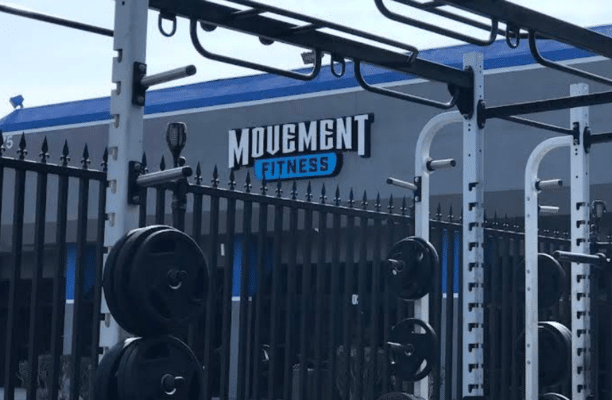
Your First Week at Movement Fitness: A Zero-Stress Guide
New here? Here’s exactly what to expect, day by day.
Walking into a new gym can feel like the first day of school. We get it, so we built your first week to be simple and welcoming.
On day one, stop by the front desk for a facility tour and a free fitness assessment with one of our coaches. We’ll check your posture, mobility and baseline strength, then talk about your goals and any past injuries.
On days two and three, try one group class and one short gym session using the starter plan your coach gives you. Day four is rest: walk, stretch, hydrate and sleep well. On days five through seven, repeat what felt good and write down what you enjoyed most.
The goal of week one isn’t to get fit. It’s to make Movement Fitness feel like your place. Learn where everything is, say hi to the team and let the habit build itself. Results come from showing up again and again, and that starts with one easy week. Questions? Every coach on the floor is happy to help. Bring water, a towel and comfortable shoes, and you’re ready to go. See you on the floor!

How Much Protein Do You Actually Need to Build Muscle?
Protein Matters, But More Is Not Always Better
If your goal is to build muscle, protein matters. It helps your body repair, recover, and rebuild after strength training. But one of the most common questions people have is: how much protein do you actually need?
The answer depends on your body, your goals, your workouts, and how consistent you are with your overall nutrition.
At Movement Fitness, we believe building muscle takes more than just lifting weights. It takes smart training, proper recovery, consistent nutrition, and enough protein to support the work you are putting in.
Why Protein Is Important for Muscle Growth
When you lift weights, train hard, or push through a full-body workout, your muscles experience stress. Protein helps repair that muscle tissue and supports growth over time.
Protein Supports Recovery
Without enough protein, your body may struggle to recover from workouts. You may feel sore longer, have less energy, or find it harder to build strength and muscle.
Protein is not magic, but it is one of the key building blocks your body needs to make progress.
How Much Protein Do You Need?
A common goal for people trying to build muscle is to eat about 0.7 to 1 gram of protein per pound of body weight per day. For example, someone who weighs 180 pounds may aim for roughly 126 to 180 grams of protein per day.
That does not mean everyone needs the highest amount. Beginners, casual gym members, and people focused on general health may do well on the lower end. People training hard, lifting consistently, or trying to build muscle may need more.
Keep It Realistic
The best protein target is one you can actually follow. If your current intake is low, do not feel like you need to double it overnight. Start by adding more protein to each meal and build from there.
Best Protein Sources for Building Muscle
You can get protein from many different foods. The key is choosing options that fit your lifestyle and are easy to repeat.
Good Protein Options
Chicken
Turkey
Eggs
Fish
Lean beef
Greek yogurt
Cottage cheese
Protein powder
Tofu
Beans
Lentils
Milk
Protein smoothies
You do not need to eat the same thing every day. Variety makes it easier to stay consistent.
Should You Eat Protein Before or After a Workout?
Protein timing can help, but total daily protein matters most. If you are eating enough protein throughout the day, you are already supporting muscle growth and recovery.
That said, having protein before or after a workout can be helpful, especially if you have not eaten in several hours.
Simple Workout Nutrition Tip
Before training, choose something light that gives you energy, such as fruit with Greek yogurt, toast with eggs, or a protein smoothie.
After training, focus on protein and carbohydrates to help your body recover. A meal with chicken and rice, eggs and toast, Greek yogurt and fruit, or a protein smoothie can all work well.
Protein and Strength Training Work Together
Eating protein alone will not build muscle. Your body needs a reason to grow. That reason comes from strength training.
At Movement Fitness in Las Vegas, members have access to strength equipment, functional training space, cardio options, and a 50-yard indoor turf to support a complete workout routine.
Train With Progression
To build muscle, your workouts should gradually become more challenging over time. That may mean adding weight, doing more reps, improving your form, increasing sets, or training with better control.
Protein supports the process, but your workouts create the demand.
Do You Need Protein Powder?
Protein powder can be helpful, but it is not required. It is simply a convenient way to increase protein intake when whole foods are not available or when you are short on time.
Use It as a Tool
If you can get enough protein from food, great. If you struggle to hit your target, a protein shake or smoothie can make it easier.
The goal is not to rely on supplements. The goal is to meet your nutrition needs consistently.
Do Not Forget Calories
If you want to build muscle, protein is important, but total calories matter too. If you are not eating enough overall, it can be harder to gain muscle.
Fuel the Work
Muscle growth requires training, protein, recovery, and enough energy. If you are constantly undereating, your body may not have the fuel it needs to recover and grow.
If your goal is fat loss and muscle building at the same time, focus on protein, strength training, and steady progress instead of extreme dieting.
Common Protein Mistakes
Many people slow down their muscle-building progress because they are inconsistent with protein.
Mistakes to Avoid
Eating very little protein during the day
Only focusing on protein after workouts
Skipping meals
Relying only on supplements
Not eating enough total food
Training hard but ignoring recovery
Small improvements can make a big difference over time.
Build Muscle the Smart Way
The best muscle-building plan is simple: train consistently, eat enough protein, fuel your body, recover well, and stay patient.
At Movement Fitness, members have the equipment, turf, space, and community to train with purpose and build a stronger body over time.
Final Takeaway
Most people trying to build muscle should focus on getting enough protein every day, not just after workouts. A good target is about 0.7 to 1 gram of protein per pound of body weight, depending on your goals and training level.
Combine that with strength training, proper recovery, and consistent nutrition, and you give your body a much better chance to build muscle and get stronger.
Is Walking Enough to Lose Weight? Here’s What You Need to Know
Walking Is a Great Start
Walking is one of the easiest and most accessible ways to start moving more. You do not need special equipment, advanced experience, or a complicated routine. For many people, walking is the first step toward better health, more energy, and weight loss.
But is walking enough to lose weight?
The answer is: it can help, but it depends on your overall habits.
At Movement Fitness, we believe weight loss is built through consistency, movement, strength training, nutrition, and recovery. Walking can be a powerful part of that plan, but it usually works best when combined with a complete fitness routine.
How Walking Helps With Weight Loss
Walking helps increase daily movement, burn calories, improve heart health, reduce stress, and build consistency. It is especially helpful for beginners, people returning to fitness, or anyone who wants a lower-impact way to stay active.
Small Steps Add Up
You do not need to start with long walks every day. Even short walks can make a difference when done consistently. A 10-minute walk after meals, a walk during lunch, or extra steps throughout the day can help increase your overall activity.
The key is making walking a regular part of your lifestyle.
Walking Alone May Not Be Enough
Walking can support weight loss, but it may not be enough by itself if nutrition, strength training, and consistency are not in place.
Weight loss usually requires a calorie deficit, which means your body is using more energy than you consume over time. Walking can help with that, but food choices, portion sizes, and daily habits still matter.
Nutrition Still Matters
If you walk every day but consistently eat more calories than your body needs, weight loss may not happen. That does not mean walking is useless. It simply means walking is one piece of the bigger picture.
Focus on protein, whole foods, water, fruits, vegetables, and better portion control.
Why Strength Training Should Be Included
If your goal is to lose weight and change your body composition, strength training is important. Walking helps burn calories, but strength training helps build and maintain muscle.
Muscle Helps Your Body Work Better
Muscle supports metabolism, posture, strength, balance, and long-term health. When you combine walking with strength training, you create a more complete approach to weight loss.
At Movement Fitness in Las Vegas, members have access to strength equipment, functional training areas, cardio options, and a 50-yard indoor turf to support both walking-based movement and structured workouts.
How Often Should You Walk?
A good goal for many people is to walk most days of the week. The exact amount depends on your schedule, fitness level, and goals.
Beginner Walking Plan
Start with:
10 to 20 minutes per day
3 to 5 days per week
Comfortable pace
Gradual increases over time
As your fitness improves, you can walk longer, increase your pace, or add incline.
How to Make Walking More Effective
Walking does not have to stay the same forever. You can make it more challenging as your body adapts.
Ways to Increase Intensity
Try adding:
Incline walking
Longer distances
Faster pace
Intervals
Turf walking drills
Weighted carries
More daily steps
Small changes can help your body continue improving.
Walking Plus Gym Training
Walking is great for general movement, but gym training can help you build strength, improve conditioning, and create a more balanced routine.
Simple Weekly Plan
Try this structure:
Monday: Full-body strength
Tuesday: Walk
Wednesday: Cardio and mobility
Thursday: Full-body strength
Friday: Walk
Saturday: Turf conditioning or longer walk
Sunday: Rest or light movement
This type of plan combines walking, strength, recovery, and conditioning.
Do Not Underestimate Daily Movement
Many people only focus on formal workouts, but daily movement matters. Walking helps increase activity outside the gym, which can support weight loss and overall health.
More Movement Means More Momentum
Taking more steps, parking farther away, walking during phone calls, taking the stairs, or adding short walks after meals can all help increase your daily movement.
These small habits are simple, but they can add up over time.
Walking Is Also Good for Beginners
If you feel out of shape, walking is one of the best ways to start. It is low-impact, easy to control, and less intimidating than jumping into intense workouts right away.
Build Confidence First
Walking can help you build momentum before adding more structured gym workouts. Once you feel more confident, you can add strength training, mobility work, and conditioning.
Final Takeaway
Walking can absolutely help with weight loss, especially when it is done consistently and combined with better nutrition. But for the best results, walking should be part of a complete plan that includes strength training, recovery, and smart food choices.
At Movement Fitness, members have the space, equipment, turf, and community to build a routine that fits their goals.
Start with walking. Build consistency. Add strength. Improve nutrition. Keep moving forward.