
Why You’re Working Out but Not Seeing Results
Effort Is Important, but Strategy Matters Too
Working out consistently is a major step toward better health, but it can be frustrating when you feel like you are doing the work and still not seeing the results you want. You may be showing up, sweating, lifting, doing cardio, and trying to stay committed, but your body does not seem to be changing.
The problem is not always effort. Sometimes, it is the way your workouts, nutrition, recovery, and habits are structured.
At Movement Fitness, we believe results come from training with purpose. If you are working out but not seeing progress, it may be time to look at what could be holding you back.
1. You Do Not Have a Clear Plan
One of the biggest reasons people stop seeing results is because they train without a real plan. Random workouts can make you tired, but they do not always move you closer to your goals.
What to Do Instead
Decide what you want to accomplish. Are you training for fat loss, strength, muscle growth, endurance, or better movement? Your goal should guide your workouts.
A good plan should include strength training, cardio, mobility, and recovery. You do not need a perfect routine, but you do need structure.
2. You Are Not Progressing Your Workouts
If you do the same exercises, same weight, same reps, and same routine every week, your body may stop adapting. Progress happens when your body is challenged over time.
Small Progress Adds Up
Try adding more weight, doing more reps, improving your form, shortening rest periods, or increasing workout intensity gradually. These small changes help your body continue improving.
3. Your Nutrition Does Not Match Your Goal
You cannot out-train poor nutrition. If your workouts are strong but your food habits are inconsistent, your results may slow down.
For fat loss, you need to pay attention to calories, protein, hydration, and food quality. For muscle gain, you need enough protein and enough total food to support growth.
Keep Nutrition Simple
Start with the basics:
Eat protein with each meal.
Drink more water.
Choose whole foods more often.
Limit sugary drinks and processed snacks.
Avoid skipping meals and overeating later.
Consistency with nutrition matters more than perfection.
4. You Are Doing Too Much Cardio and Not Enough Strength Training
Cardio is great for heart health, endurance, and calorie burn. But if your goal is to change your body, strength training needs to be a major part of your routine.
Muscle Helps Create Shape
Strength training helps build lean muscle, improve metabolism, support joints, and create a stronger-looking body. If you only focus on cardio, you may lose weight but still feel like your body is not changing the way you want.
5. You Are Not Recovering Enough
More workouts do not always mean better results. If you train hard every day without rest, your body may not have enough time to recover and improve.
Recovery Is Part of the Plan
Sleep, hydration, rest days, stretching, and proper nutrition all help your body rebuild. If you feel tired, sore, unmotivated, or weaker than usual, your body may need more recovery.
6. You Are Not Tracking Anything
If you are not tracking your workouts, food, measurements, or progress, it is hard to know what is working. You may feel stuck even when small improvements are happening.
Track More Than the Scale
The scale is only one tool. Also pay attention to strength, energy, endurance, clothing fit, body measurements, consistency, and confidence.
Progress can show up in more ways than just weight loss.
7. You Are Not Giving It Enough Time
Real results take time. Many people quit too early because they expect major changes in a few weeks. Fitness is built through repeated effort, not one perfect workout.
Stay Consistent
If you are training properly, eating better, recovering, and staying consistent, give your body time to respond. Small improvements repeated over weeks and months can lead to major changes.
Train Smarter at Movement Fitness
If you are working out but not seeing results, it may be time to adjust your approach. At Movement Fitness in Las Vegas, members have access to strength equipment, cardio options, functional training space, a 50-yard indoor turf, and a supportive fitness community.
Whether your goal is fat loss, strength, performance, or better overall health, the right plan can help you move forward.
Final Takeaway
If you are working out but not seeing results, do not assume you are failing. You may just need better structure, better nutrition, more recovery, or a clearer plan.
Train with purpose. Track your progress. Stay consistent. Make small adjustments. Results come when your effort and strategy work together.

How Many Days a Week Should You Work Out to See Results?
Results Come From Consistency, Not Perfection
One of the most common fitness questions is: how many days a week should you work out to actually see results? The answer depends on your goal, your fitness level, your schedule, and how well your body recovers.
The good news is you do not need to work out every single day to make progress. You need a realistic plan that you can follow consistently.
At Movement Fitness, members have the equipment, turf, space, and supportive gym environment to build a routine that fits their lifestyle and helps them stay consistent.
How Many Days Should Beginners Work Out?
If you are just getting started, 3 days per week is a strong place to begin. This gives your body time to adjust while still helping you build strength, endurance, and confidence.
Beginner Weekly Plan
A simple beginner schedule could look like this:
Monday: Full-body strength
Wednesday: Cardio and mobility
Friday: Full-body strength
This gives you structure without overwhelming your body. As your fitness improves, you can slowly add another day.
How Many Days for Fat Loss?
If your goal is fat loss, 3 to 5 days per week can work well. The key is combining strength training, cardio, nutrition, and recovery.
Strength training helps build muscle and support metabolism. Cardio helps improve conditioning and increase calorie burn. Nutrition helps create the consistency needed for fat loss.
Fat Loss Weekly Plan
Try this simple structure:
3 days of strength training
1 to 2 days of cardio or turf conditioning
1 to 2 recovery days
At Movement Fitness in Las Vegas, the 50-yard indoor turf is a great option for conditioning workouts like sled pushes, walking lunges, shuttle runs, and farmer’s carries.
How Many Days for Building Muscle?
If your goal is building muscle, 3 to 5 days per week is a good range for most people. You need enough training to challenge your muscles, but enough recovery to let them rebuild.
Muscle-Building Weekly Plan
A simple plan could include:
Monday: Upper body
Tuesday: Lower body
Wednesday: Rest or mobility
Thursday: Upper body
Friday: Lower body
Saturday: Optional cardio or recovery
Sunday: Rest
The goal is to train each muscle group consistently while giving your body time to recover.
How Many Days for Overall Health?
If your goal is general health, energy, and feeling better, you can see benefits from 3 to 4 workouts per week. Your routine should include strength training, cardio, mobility, and recovery.
Balanced Weekly Plan
A balanced schedule could look like this:
Day 1: Full-body strength
Day 2: Cardio
Day 3: Rest or mobility
Day 4: Full-body strength
Day 5: Turf conditioning or light cardio
Day 6: Recovery
Day 7: Rest
This type of plan helps you build strength, improve endurance, move better, and avoid burnout.
Recovery Days Matter
More is not always better. Working out too many days without rest can lead to soreness, fatigue, poor performance, and slower progress.
Recovery is when your body repairs, adapts, and gets stronger. If you are constantly tired or sore, your body may be telling you it needs more rest.
Signs You May Need More Recovery
You feel sore all the time
Your workouts feel harder than usual
You are not sleeping well
Your motivation is dropping
Your strength is going down
You feel tired before training starts
Taking a rest day does not mean you are losing progress. It means you are giving your body the chance to improve.
Quality Matters More Than Quantity
Working out 6 days per week with no plan is not better than working out 3 days per week with structure. The quality of your workouts matters.
A strong workout should have a purpose. Know what you are training, choose exercises that match your goal, warm up properly, and track your progress.
Train With Purpose
Instead of asking only how many days you should work out, ask what each workout is doing for you. Are you building strength? Improving cardio? Working on mobility? Recovering properly?
That is how you create a routine that actually works.
Start With a Schedule You Can Keep
The best workout schedule is the one you can maintain. If 5 days per week feels unrealistic, start with 3. If you are already consistent, add a fourth day. If life gets busy, adjust without quitting completely.
Fitness should fit your life, not destroy your schedule.
Final Takeaway
Most people can see results by working out 3 to 5 days per week, depending on their goals and recovery. Beginners can start with 3 days. People focused on fat loss, muscle growth, or performance may train 4 to 5 days with the right structure.
At Movement Fitness, members have the space, equipment, turf, and community to build a routine that works. Start with a realistic plan, stay consistent, recover properly, and keep moving forward.
The Best Full-Body Workout for People Short on Time
Train Smarter When Your Schedule Is Busy
Not everyone has hours to spend in the gym. Between work, family, errands, and everyday responsibilities, finding time to work out can feel difficult. But being short on time does not mean you cannot get a great workout.
The key is choosing exercises that train multiple muscle groups, keep your heart rate up, and help you make the most of every minute.
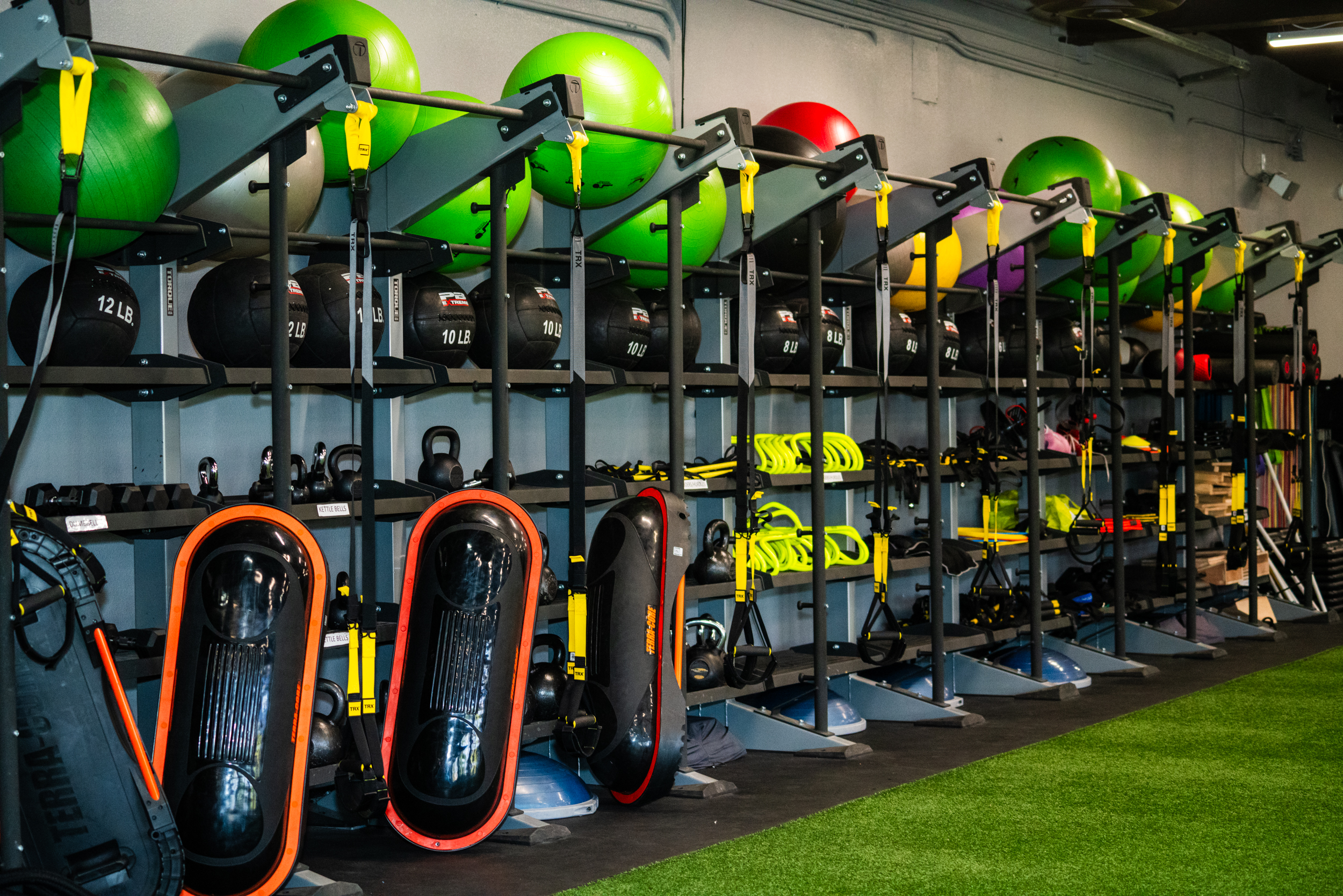
At Movement Fitness, members have access to strength equipment, cardio options, functional training areas, and a 50-yard indoor turf that makes efficient full-body training easier and more effective.
Why Full-Body Workouts Are Great for Busy People
Full-body workouts are one of the best options for people with limited time because they train your upper body, lower body, and core in one session. Instead of splitting workouts into separate body parts, you can build strength, improve conditioning, and burn calories in a shorter amount of time.
More Results in Less Time
A smart full-body workout can help you:
Build strength
Improve endurance
Burn calories
Train your core
Increase energy
Improve movement
Stay consistent
When time is limited, every exercise should have a purpose.
What Makes a Good Time-Saving Workout?
The best workout for busy people should be simple, structured, and effective. You do not need dozens of exercises. You need the right movements done with focus and good form.
Focus on Compound Exercises
Compound exercises work multiple muscle groups at once. These movements give you more value for your time than isolated exercises.
Great options include:
Squats
Rows
Push-ups
Deadlifts
Lunges
Shoulder presses
Farmer’s carries
Sled pushes
These exercises help train the body as one unit, which makes your workout more efficient.
The 30-Minute Full-Body Workout
If you only have 30 minutes, this workout gives you a strong mix of strength, cardio, and core training.
Warm-Up: 5 Minutes
Start with light movement to prepare your body.
Use:
Treadmill walk
Bike
Rower
Dynamic stretching
Light turf movement
The goal is to increase blood flow, loosen your joints, and get your body ready to train.
Strength Circuit: 20 Minutes
Complete 3 rounds of the following exercises:
Goblet squats
Push-ups or chest press
Seated row or dumbbell row
Romanian deadlifts
Walking lunges
Plank hold
Move with control and rest as needed. Choose weights that feel challenging but allow you to keep good form.
Why This Works
This circuit trains your legs, glutes, chest, back, shoulders, hamstrings, and core. It gives you a complete workout without wasting time moving randomly around the gym.
Turf Finisher: 5 Minutes
One of the best features at Movement Fitness in Las Vegas is the 50-yard indoor turf. If you are short on time, the turf is a great place to finish strong.
Quick Turf Finisher
Try 2 to 3 rounds of:
Sled push
Farmer’s carries
Shuttle walks or jogs
Bear crawl
This adds conditioning, strength, and intensity at the end of your workout.
Beginner Version
If you are newer to the gym, keep the workout simple and lower intensity.
Beginner Full-Body Workout
Try:
Bodyweight squats
Machine chest press
Seated row
Step-ups
Glute bridges
Plank hold
Light cardio
Start with 2 rounds and build from there.
Intermediate Version
If you already train consistently, increase the challenge with more resistance and shorter rest periods.
Intermediate Full-Body Workout
Try:
Goblet squats
Dumbbell bench press
Lat pulldowns
Romanian deadlifts
Walking lunges
Farmer’s carries
Turf conditioning
This gives you strength and cardio in one session.
Advanced Version
Advanced members can push intensity with heavier weights, explosive movements, and turf-based conditioning.
Advanced Full-Body Workout
Try:
Barbell squats
Pull-ups
Dumbbell incline press
Deadlifts
Sled pushes
Battle ropes
Weighted core work
Keep the workout focused and avoid rushing your form.
How Often Should You Do Full-Body Workouts?
If you are short on time, full-body training 2 to 4 times per week can be a great strategy. This gives you enough frequency to build strength and improve conditioning while still allowing recovery.
Simple Weekly Plan
Monday: Full-body strength
Wednesday: Cardio and mobility
Friday: Full-body strength
Saturday: Turf conditioning or recovery workout
This schedule is realistic for busy people and easier to maintain long term.
Tips to Make Every Workout Count
When time is limited, preparation matters. Know your workout before you walk in, keep rest periods controlled, and focus on exercises that match your goal.
Train With Purpose
Do not waste time guessing. Pick your exercises, track your progress, and stay consistent. Even a short workout can be effective when it is done with structure.
Final Takeaway
You do not need a perfect schedule to get results. You need a plan that fits your life.
A full-body workout is one of the best ways to train when you are short on time because it helps you build strength, improve conditioning, and stay consistent without spending hours in the gym.
At Movement Fitness, members have the space, equipment, turf, and community to make every workout count. Start simple, train with purpose, and keep moving forward.
7 Ways to Use Turf Training to Improve Your Workout
Make Your Workouts More Dynamic
Turf training is one of the best ways to add variety, movement, and intensity to your workout routine. Instead of staying in one spot or only using machines, turf workouts give you room to push, pull, sprint, carry, lunge, crawl, and condition your body in a more athletic way.
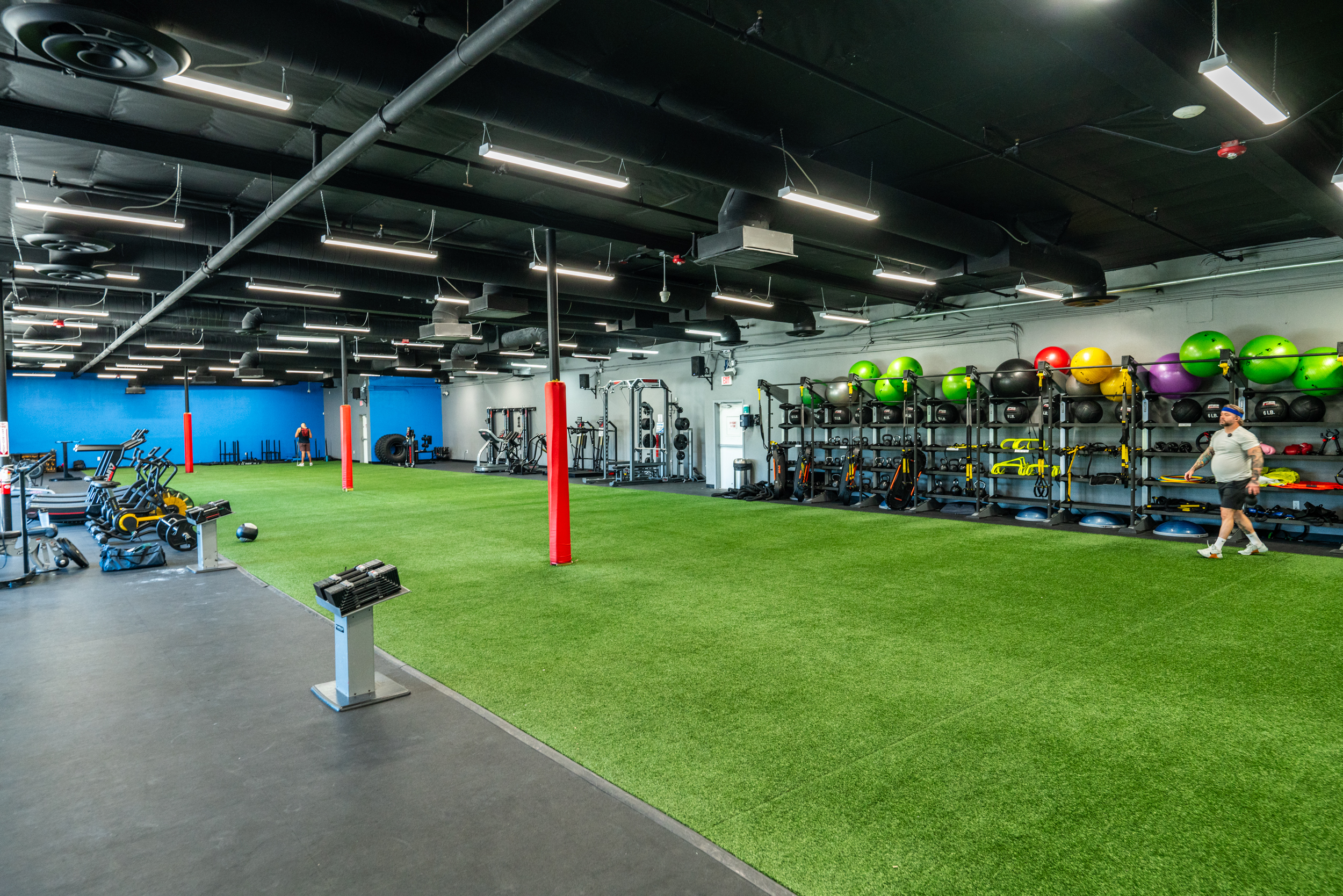
At Movement Fitness, the 50-yard indoor turf gives members a powerful space to train for strength, endurance, performance, fat loss, and better movement. Whether you are a beginner, athlete, personal training client, or experienced gym member, turf training can help you take your workouts to another level.
1. Use Sled Pushes for Strength and Conditioning
Sled pushes are one of the most effective movements you can do on the turf. They train your legs, glutes, core, shoulders, and lungs all at once.
Why It Works
Sled pushes are great because they combine strength and cardio. You can go lighter and faster for conditioning or heavier and slower for power. Either way, this movement helps build lower-body strength, endurance, and mental toughness.
2. Add Walking Lunges for Lower-Body Control
Walking lunges are simple, but they are extremely effective. They help build strength in your quads, hamstrings, glutes, and core while also improving balance and coordination.
How to Use Them
Start with bodyweight lunges. As you improve, add dumbbells, kettlebells, or a weighted vest. The turf gives you enough space to move naturally without feeling crowded.
3. Try Shuttle Runs for Cardio
Shuttle runs are a great way to improve conditioning, speed, and agility. They can be short, intense, and easy to adjust based on your fitness level.
Build Better Endurance
Use the turf to run short distances, touch the line, turn around, and repeat. This type of training challenges your heart rate, leg strength, and ability to change direction.
Beginners can start with shuttle walks or light jogs. Advanced members can increase speed, distance, or rounds.
4. Use Farmer’s Carries for Total-Body Strength
Farmer’s carries are one of the best full-body exercises for building strength and stability. All you need to do is pick up weights and walk with control.
Train Your Core and Grip
This movement works your grip, shoulders, core, legs, and posture. The turf gives you space to carry weight safely and focus on staying tall, controlled, and strong with every step.
5. Add Bear Crawls for Core and Coordination
Bear crawls may look basic, but they challenge your entire body. They train your shoulders, core, hips, legs, and coordination.
Move Better From Head to Toe
Bear crawls force your body to work as one unit. They are great for warming up, building core strength, or adding a challenging finisher to your workout.
Start slow and focus on control. Keep your back flat, core tight, and movement smooth.
6. Use Agility Drills for Athletic Movement
Turf training is perfect for agility work. You can use cones, lines, ladders, or open space to train quick feet, balance, coordination, and change of direction.
Great for Athletes and Everyday Members
You do not have to be a competitive athlete to benefit from agility training. Better footwork and body control can help anyone move with more confidence.
Try lateral shuffles, cone drills, sprint starts, backpedals, or quick direction changes.
7. Finish With a Turf Conditioning Circuit
A turf circuit is a great way to bring everything together. It can help improve strength, cardio, endurance, and mental toughness in one workout.
Sample Turf Circuit
Try 3 to 5 rounds of:
Sled push
Walking lunges
Farmer’s carries
Bear crawl
Shuttle run
Plank hold
Rest as needed and adjust the intensity to your fitness level.
Why Turf Training Works
Turf training helps you train in ways that traditional machines cannot always provide. It allows you to move more naturally, use multiple muscle groups, and challenge your body through space.
At Movement Fitness in Las Vegas, the 50-yard indoor turf gives members the room to train with purpose. You can use it for strength, cardio, agility, athletic performance, mobility, and functional fitness.
Make Turf Training Part of Your Routine
You do not need to use the turf for every workout. Even adding one or two turf movements can make your routine more effective and more engaging.
Use sled pushes after leg day. Add carries to your full-body workout. Try shuttle runs for cardio. Include bear crawls in your warm-up. The more you learn how to use the turf, the more options you have.
Final Takeaway
Turf training is a game changer because it gives you space to move, train harder, and build a more complete body. It can help improve strength, conditioning, agility, balance, coordination, and confidence.
If your workouts feel repetitive, the turf can help bring new energy back into your routine. Start simple, move with control, and keep building from there.

10 Gym Mistakes That Could Be Slowing Down Your Progress
Small Mistakes Can Create Big Setbacks
Working out consistently is one of the best things you can do for your health, strength, and confidence. But sometimes, even people who show up regularly still feel stuck. The reason is not always lack of effort. Sometimes, progress slows down because of small gym mistakes that add up over time.
At Movement Fitness, we believe training should have purpose. Whether your goal is fat loss, muscle growth, strength, athletic performance, or better overall health, avoiding common mistakes can help you train smarter and get better results.
1. Training Without a Plan
Walking into the gym without a plan can lead to random workouts and inconsistent progress. You may do whatever machine is open, copy someone else’s workout, or leave without knowing if you actually moved closer to your goal.
How to Fix It
Know your workout before you start. Decide what you are training, which exercises you are doing, and how many sets or rounds you want to complete. A simple plan done consistently is better than a random workout with no direction.
2. Skipping the Warm-Up
A lot of people rush straight into lifting, cardio, or turf work without preparing their body first. This can make your workout feel harder, limit your movement, and increase the chance of injury.
How to Fix It
Spend 5 to 10 minutes warming up. Use light cardio, mobility drills, bodyweight movements, or dynamic stretching. If you are training on the turf, start with walking lunges, light shuffles, hip openers, or controlled movement drills.
3. Lifting Too Heavy Too Soon
Heavy lifting can be great, but using too much weight before your form is ready can slow your progress. When the weight is too heavy, your body starts compensating, and the movement becomes less effective.
How to Fix It
Focus on form before weight. Choose a weight you can control through the full movement. Once your technique is strong, gradually increase resistance over time.
4. Doing the Same Workout Every Week
Repeating the same routine forever can lead to plateaus. Your body adapts to what you do often, so if nothing changes, your results may slow down.
How to Fix It
Make small changes over time. Add weight, increase reps, adjust rest periods, try new exercises, or add conditioning work. Progress does not require a completely new routine every week, but your workouts should continue challenging you.
5. Ignoring Recovery
More workouts do not always mean better results. If you train hard every day without enough recovery, you may feel tired, sore, unmotivated, or stuck.
How to Fix It
Build recovery into your routine. Get enough sleep, drink water, stretch, and take rest days when needed. Recovery helps your body rebuild and come back stronger.
6. Not Eating Enough Protein
Nutrition plays a major role in results. If you are training hard but not eating enough protein, your body may struggle to recover, repair muscle, and build strength.
How to Fix It
Include protein with your meals throughout the day. Good options include eggs, chicken, fish, lean beef, Greek yogurt, protein smoothies, beans, tofu, or other protein sources that fit your diet.
7. Doing Too Much Cardio and Not Enough Strength Training
Cardio is important, especially for heart health and conditioning. But if your goal is fat loss, strength, or body composition, strength training should not be ignored.
How to Fix It
Balance your routine. Use strength training as a foundation and add cardio around it. A smart combination of lifting, cardio, mobility, and recovery will usually create better long-term results than cardio alone.
8. Skipping Mobility Work
Mobility is often overlooked, but it affects how well you move, lift, recover, and feel. Tight hips, stiff shoulders, and limited ankle mobility can make workouts harder than they need to be.
How to Fix It
Add 5 to 10 minutes of mobility work before or after training. Focus on hips, hamstrings, shoulders, ankles, and back. Better movement can help improve performance and reduce discomfort.
9. Comparing Yourself to Everyone Else
Comparison can hurt motivation. Everyone has a different starting point, body, schedule, experience level, and goal. Focusing too much on others can make you forget your own progress.
How to Fix It
Measure progress against yourself. Are you showing up more consistently? Are you lifting with better form? Do you have more energy? Are your clothes fitting better? Those wins matter.
10. Quitting Too Soon
Many people stop because they do not see results immediately. Fitness takes time. Real progress comes from weeks and months of consistent effort, not one perfect workout.
How to Fix It
Stay patient and keep going. One bad day does not ruin your progress. Missing one workout does not mean you failed. Get back on track and keep building momentum.
Train Smarter at Movement Fitness
Avoiding these mistakes can help you make your workouts more effective and your progress more consistent. At Movement Fitness in Las Vegas, members have access to strength equipment, cardio options, functional training space, and a 50-yard indoor turf to support better training.
The goal is not perfection. The goal is progress. When you train with structure, recover properly, fuel your body, and stay consistent, you give yourself a better chance to reach your goals.
Final Takeaway
Progress does not happen by accident. It comes from better habits repeated over time. If your results have slowed down, review your routine and look for the small mistakes that may be holding you back.
Train with purpose, stay consistent, and keep moving forward.

10 Gym Mistakes That Can Slow Down Your Progress
Small Habits Can Make a Big Difference
Getting results in the gym is not only about showing up. It is also about how you train, how you recover, and how consistent you are with your habits. Many people work hard but still feel stuck because they are making simple mistakes that slow down their progress.
At Movement Fitness, we believe training should have purpose. Whether your goal is weight loss, strength, athletic performance, better mobility, or overall health, avoiding these common gym mistakes can help you get better results.
1. Training Without a Plan
Walking into the gym without a plan can lead to random workouts and inconsistent progress. You may use whatever machine is open or copy someone else’s routine without knowing if it fits your goals.
How to Fix It
Have a workout plan before you start. Know what you are training, which exercises you are doing, and what your goal is for the session. A simple plan done consistently is better than a complicated plan you never follow.
2. Skipping the Warm-Up
A lot of people rush straight into lifting or cardio without preparing their body first. This can make your workout feel harder and may increase the chance of injury.
How to Fix It
Spend 5 to 10 minutes warming up. Use light cardio, mobility drills, bodyweight movements, or turf movement to get your body ready. A good warm-up helps improve performance and movement quality.
3. Using Too Much Weight
Lifting heavy can be helpful, but using too much weight too soon can hurt your form. When form breaks down, the exercise becomes less effective and more risky.
How to Fix It
Focus on control before adding weight. Choose a weight you can move with good technique. Once your form is strong, gradually increase the resistance over time.
4. Doing the Same Workout Every Time
Repeating the same workout for weeks or months can lead to plateaus. Your body adapts, and eventually the same routine may stop producing the same results.
How to Fix It
Change your workouts over time. Add more weight, increase reps, adjust rest periods, try new exercises, or include turf conditioning. Progress comes from giving your body a reason to improve.
5. Ignoring Recovery
More workouts do not always mean better results. If you train hard every day without recovery, your body may feel tired, sore, and worn down.
How to Fix It
Make recovery part of your plan. Get enough sleep, drink water, stretch, and take rest days when needed. Recovery is when your body rebuilds and gets stronger.
6. Poor Nutrition Habits
You cannot out-train poor nutrition. If your workouts are consistent but your food choices are not supporting your goals, your progress may slow down.
How to Fix It
Focus on the basics. Eat enough protein, include healthy carbohydrates, drink water, and avoid relying on processed foods all day. You do not need a perfect diet. You need a consistent one.
7. Not Tracking Progress
If you are not tracking your workouts, it can be hard to know if you are improving. You may be guessing instead of measuring real progress.
How to Fix It
Write down your exercises, weights, reps, cardio time, or how you felt during the workout. Tracking helps you see progress and make smarter adjustments.
8. Comparing Yourself to Others
Comparison can hurt motivation. Everyone has a different starting point, schedule, body, experience level, and goal. Focusing too much on others can make you forget your own progress.
How to Fix It
Stay focused on your own journey. Your goal is to improve from where you started. Celebrate small wins and keep building momentum.
9. Skipping Mobility Work
Mobility is often overlooked, but it plays a major role in how well you move, lift, recover, and feel. Poor mobility can limit your range of motion and affect your workouts.
How to Fix It
Add 5 to 10 minutes of mobility work before or after training. Focus on hips, shoulders, ankles, hamstrings, and back. Better movement can lead to better training.
10. Quitting Too Soon
Many people stop because they do not see results immediately. Fitness takes time. Real progress comes from repeated effort, not one perfect workout.
How to Fix It
Stay patient and consistent. Results build over weeks and months. Keep showing up, keep learning, and keep improving your habits one step at a time.
Train Smarter at Movement Fitness
Avoiding these mistakes can help you make your workouts more effective and your progress more consistent. At Movement Fitness in Las Vegas, members have access to strength equipment, cardio options, functional training space, and a 50-yard indoor turf to support better training.
The goal is not to be perfect. The goal is to move with purpose, train smarter, and keep showing up.
Final Takeaway
Progress comes from consistency, structure, recovery, and discipline. When you avoid common gym mistakes, you give yourself a better chance to build strength, improve fitness, and reach your goals.
Every workout is a chance to get better. Start where you are, stay focused, and keep moving forward.
.
5 Gym Mistakes That Slow Down Your Results
Small Mistakes Can Create Big Setbacks
Getting results in the gym is not just about showing up. It is about training with purpose, staying consistent, and avoiding the habits that quietly slow your progress.
At Movement Fitness, we believe fitness should help you move better, feel stronger, and build confidence. But even motivated members can make simple mistakes that make results harder than they need to be.
Here are five common gym mistakes that may be slowing you down — and how to fix them.
1. Training Without a Plan
Walking into the gym without a plan can lead to random workouts, wasted time, and inconsistent progress. You may do a few machines, some cardio, a little core work, and leave without knowing if you actually moved closer to your goal.
How to Fix It
Have a clear plan before you start. Know what muscle groups you are training, what exercises you are doing, and what your goal is for the session.
Your workout does not need to be complicated. It just needs structure. A simple plan done consistently will usually beat a random workout every time.
2. Skipping the Warm-Up
Many people rush straight into heavy lifting or intense cardio without preparing their body first. This can lead to poor movement, lower performance, and a higher risk of injury.
A proper warm-up helps increase blood flow, loosen the joints, activate muscles, and mentally prepare you for the workout ahead.
How to Fix It
Spend 5 to 10 minutes warming up before your session. Use light cardio, mobility drills, bodyweight movements, or dynamic stretching.
If you are training on the turf at Movement Fitness, you can warm up with walking lunges, light sled work, hip openers, lateral shuffles, or controlled movement drills.
3. Using Too Much Weight Too Soon
Lifting heavy can be great, but lifting too heavy before your form is ready can slow your progress. When the weight is too much, your body starts compensating. That can reduce the effectiveness of the exercise and increase the chance of injury.
How to Fix It
Focus on control first. Good form should come before heavier weight.
Use a weight that allows you to move through the exercise properly. Once your technique is strong, gradually increase the weight over time. Progress should be earned, not forced.
4. Not Prioritizing Recovery
More is not always better. Training hard every day without enough recovery can leave you feeling tired, sore, unmotivated, and stuck.
Your body needs recovery to rebuild muscle, restore energy, and adapt to training. If you never give your body time to recover, your results can slow down.
How to Fix It
Make recovery part of your fitness routine. Get enough sleep, stay hydrated, stretch, and schedule rest days when needed.
Recovery does not always mean doing nothing. A light walk, mobility session, or easy workout can help your body feel better while still keeping you active.
5. Ignoring Nutrition
You cannot out-train poor nutrition. If your workouts are strong but your food choices are inconsistent, your results may not show the way you want them to.
Nutrition supports energy, strength, fat loss, muscle growth, and recovery. What you eat before and after training matters.
How to Fix It
Start with the basics. Eat enough protein, drink water, include healthy carbohydrates, and avoid relying on processed foods all day.
You do not need a perfect diet. You need a consistent one. Small changes made daily can create major results over time.
Better Habits Create Better Results
Most gym mistakes are fixable. The key is becoming more intentional with how you train, how you recover, and how you fuel your body.
At Movement Fitness in Las Vegas, members have the space, equipment, turf, and community to train with purpose. Whether you are just getting started or trying to take your fitness to the next level, the right habits can help you get there faster.
Start Training Smarter Today
Results come from consistency, structure, and discipline. Avoiding these common mistakes can help you feel better, perform better, and stay committed to your goals.
Your next workout is another opportunity to improve. Show up, train smart, and keep moving forward.